

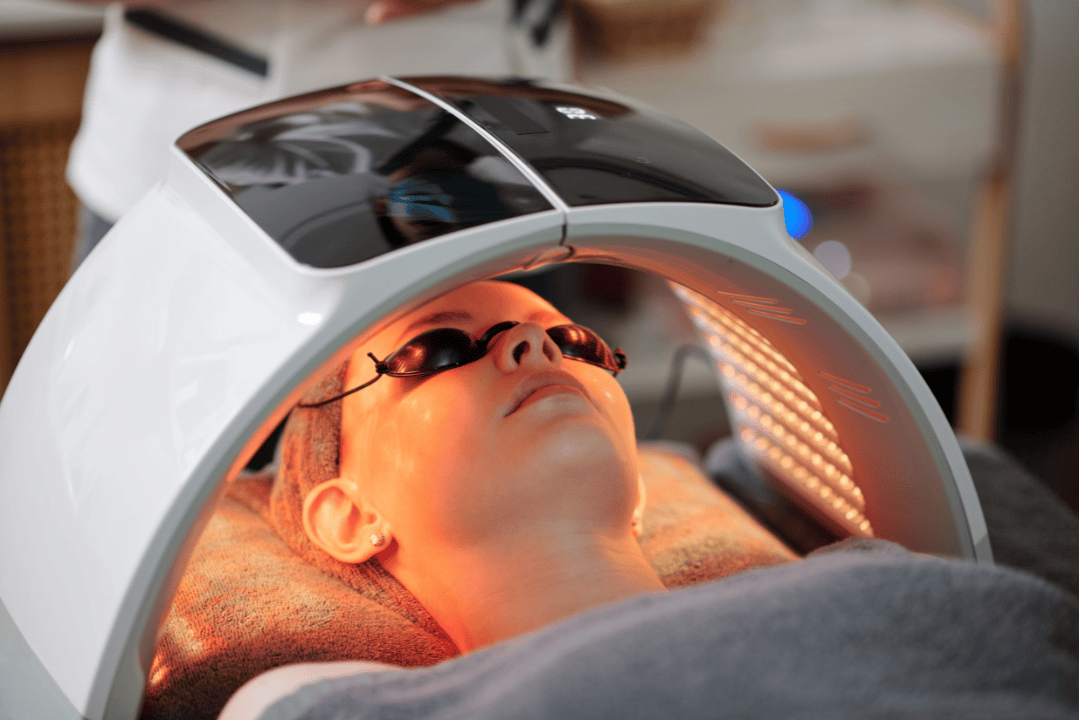
Many patients in London are looking for non-invasive skin treatments that promote healthier-looking skin without aggressive procedures. LED light therapy is one option used in medical aesthetics to calm skin, accelerate recovery, and maintain long-term skin quality.
It is not designed to produce rapid, visible change. Improvements develop gradually and are best understood within a personalised treatment plan.
What Is LED Light Therapy?
A Non-Invasive Light-Based Skin Treatment
LED light therapy uses selected wavelengths of light to stimulate cellular activity in the skin. These wavelengths interact with the skin without injections, laser resurfacing, IPL, or controlled skin injury.
This makes LED a complementary treatment rather than an instant skin-changing procedure. It is often chosen by patients who want a calm, conservative approach to skin quality, post-procedure recovery, and ongoing maintenance.
Unlike treatments that create a controlled wound response, LED does not remove skin layers or physically reshape tissue. Its role is more restorative, helping the skin function in a steadier and more balanced way when treatment is appropriate.
LED Light Therapy Vs Laser, IPL And RF
Choosing between LED, laser, IPL, and RF depends on the skin concern and treatment goal. LED is best considered as a supportive or maintenance treatment. Patients with pigmentation, visible vessels, or structural ageing often require IPL or laser in addition to, or instead of, LED as a standalone option.
| Treatment | How It Works | Common Uses | Downtime & Intensity |
| LED | Uses selected light wavelengths without injuring the skin. | Skin comfort, visible calmness, recovery, and maintenance. | Gentle, non-invasive, usually low downtime. |
| Laser | Uses focused light energy to target specific skin structures. | Pigmentation, visible vessels, resurfacing, and texture. | Varies by laser type, depth, and treatment goal. |
| IPL | Uses broad-spectrum light to target pigment and vascular concerns. | Sun damage, pigmentation, redness, and visible vessels. | More active than LED, requires skin assessment. |
| RF | Uses radiofrequency heat to stimulate tissue response. | Firmness, skin tightening, texture, and collagen remodelling. | Varies by device, depth, and protocol. |
How LED Light Therapy Works On The Skin
Red Light And Near-Infrared Light
Red and near-infrared light are used for photobiomodulation, stimulating cellular pathways involved in repair, inflammation response, and recovery. Research by Hamblin et al. supports the role of these wavelengths in enhancing cellular function and reducing oxidative stress.
In aesthetic medicine, they are applied to improve skin quality, address dull-looking skin, early fine lines, and post-treatment recovery. Red light therapy London is a common search for patients looking for non-invasive skin care. However, it should be understood as gradual skin enhancement rather than a replacement for more active treatments when structural ageing, pigmentation, or vascular concerns are present.
Smartlux Red And Near-Infrared LED Therapy
Smartlux is the red and near-infrared LED treatment used at Dr Michael O’Gorman’s Marylebone clinic. It delivers red light at 633nm and near-infrared at 830nm — wavelengths with established clinical evidence for photobiomodulation.
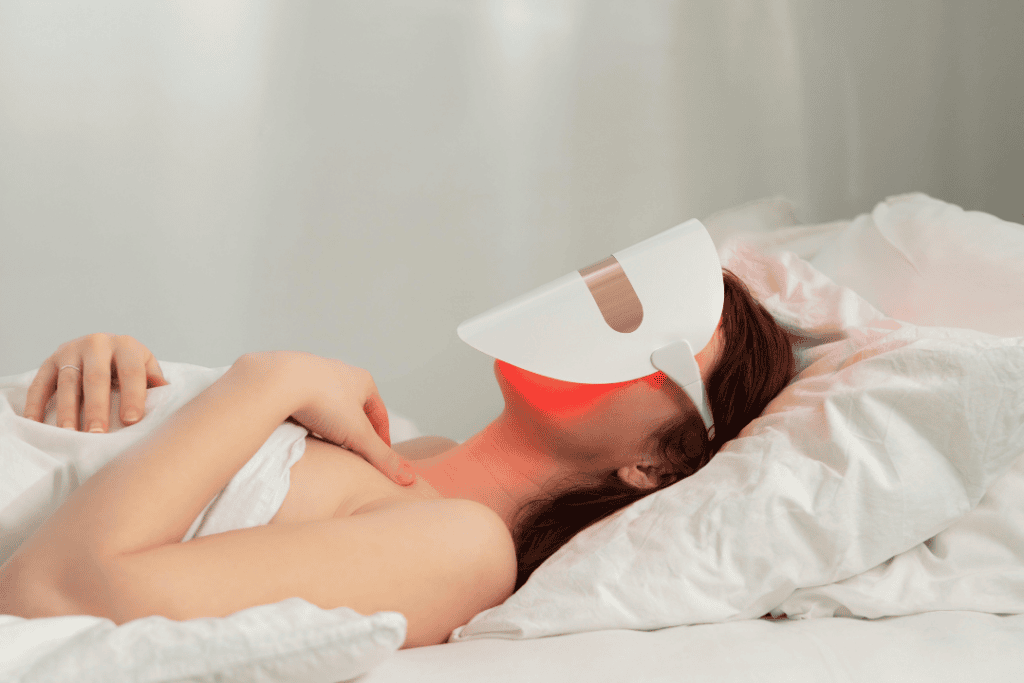
The device operates at a medical-grade output level that is not achievable with consumer home devices. Smartlux can be used alone or as an add-on after facials, skin peels, microneedling, IPL, RF, or cosmetic injectable treatments when clinically appropriate. Suitability is confirmed during consultation, particularly for patients with sensitive skin, photosensitivity, or ongoing dermatological care.
Blue Light Therapy
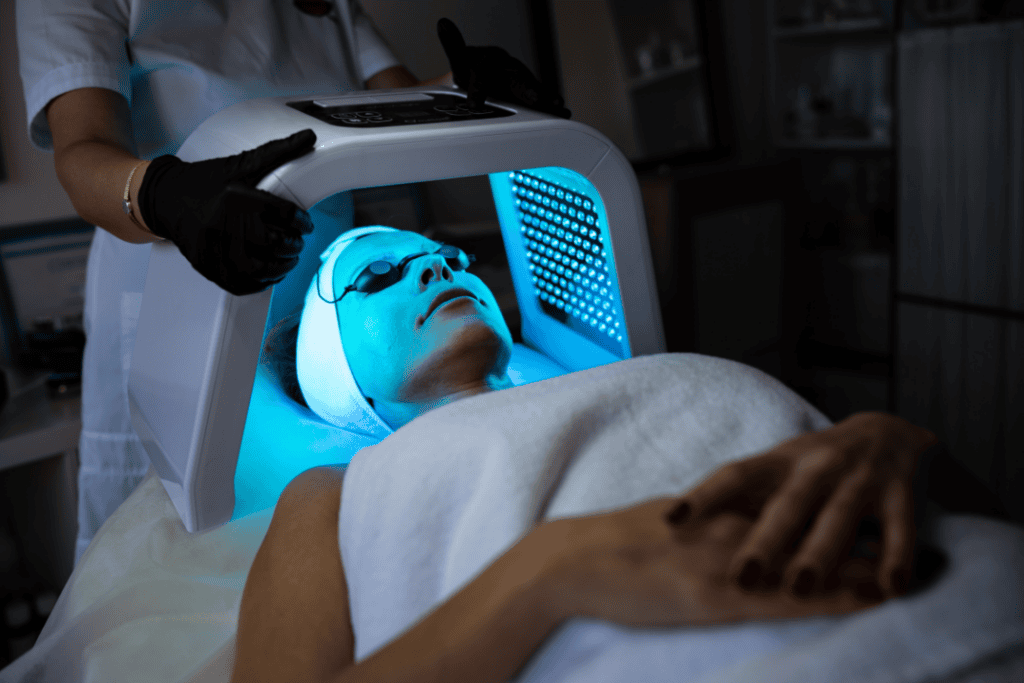
Blue light uses wavelengths in the 405–420nm range, which interact with Cutibacterium acnes — the bacteria associated with inflammatory acne. At present, the primary LED treatment offered at this clinic is Smartlux red and near-infrared therapy.
Patients with blemish-prone or acne-prone skin are assessed individually to determine the most appropriate treatment pathway. Blue light should not be presented as a cure for acne. Persistent, cystic, or hormonal acne requires medical assessment and may need prescription treatment or referral.
What Skin Concerns Can LED Light Therapy Address?
Redness And Rosacea-Prone Skin
LED light therapy can calm the appearance of reactive or redness-prone skin in selected patients. It may be considered when the goal is to reduce visible redness, restore skin comfort, and strengthen barrier function over time.
Patients completing a course typically notice a reduction in post-treatment sensitivity and a more settled skin appearance by the end of their sessions.
Rosacea is a medical skin condition and requires proper assessment. LED is not a cure for rosacea and should not replace appropriate medical care. Patients with flushing, visible vessels, or ongoing redness need careful clinical review before treatment is planned.
Fine Lines, Wrinkles And Skin Texture
LED light therapy can improve skin quality, soften the appearance of early fine lines, and refine uneven-looking texture. Visible improvement in skin tone and texture is typically noticeable after a completed course, with optimal results developing over 8–12 weeks.
Deeper lines, volume loss and structural ageing may require more active treatments, such as RF skin tightening, or a personalised combination approach.. For patients who prefer a conservative approach, LED can be a useful part of ongoing skin maintenance.
Post-Treatment Recovery And Skin Maintenance
LED can be applied after facials, skin peels, microneedling, IPL, RF, or cosmetic injectable treatments when clinically appropriate. The aim is to reduce post-procedure sensitivity, calm visible redness, and accelerate recovery.
Treatment timing follows practitioner guidance, based on the skin’s response, sensitivity, and barrier condition after the main procedure. LED also fits long-term maintenance plans for patients who prefer subtle, conservative skin treatments alongside appropriate skincare and sun protection.
For patients interested in a wider approach to improving skin quality, exploring the best treatments for glowing skin can help identify other options that may complement LED therapy.
What To Expect During LED Light Therapy In Marylebone
Before Treatment
Treatment begins with a consultation to review skin concerns, medical history, medications, allergies, photosensitivity, and previous treatments. This step confirms whether LED is appropriate and whether any precautions are needed.
Some patients benefit from LED alone. Others are better suited to a wider aesthetic or regenerative treatment plan. Patients receive clear guidance on what LED can and cannot achieve before any treatment decision is made.
During And After Treatment
Before LED treatment, the skin is prepared and the device is positioned for the planned area. Protective eyewear is worn throughout. LED light therapy is generally comfortable and well tolerated. Most patients notice gentle warmth or light exposure rather than procedural discomfort.
After treatment, gentle skincare and reduced irritation are usually advised. If LED is combined with another treatment, aftercare follows the main procedure’s guidance.
Is LED Light Therapy Safe?
LED light therapy is well tolerated by most suitable patients. It does not involve injections, resurfacing, or controlled skin injury, which is one reason it is frequently used as a complementary treatment.
No aesthetic treatment is entirely without risk. Patients should discuss LED with their practitioner if any of the following apply:
- Photosensitive conditions such as lupus or porphyria
- Medications including certain antibiotics, retinoids, or isotretinoin
- History of epilepsy
- Active skin conditions, recent procedures, or pregnancy
- Ongoing dermatological care
- Eye protection, correct device use, and consultation-led screening support safer treatment outcomes.
How Many Sessions Are Needed?
LED can be used as a one-off complementary treatment for short-term skin comfort, post-procedure support, or a gentle boost before an event. For ongoing skin improvement, a standard course consists of 4 to 6 sessions spaced one to two weeks apart.
When used as an add-on to another procedure, LED is usually applied as a single session immediately following the main treatment. A reduction in visible redness or post-treatment sensitivity is often noticeable from the second or third session.
Improvements in skin quality, texture, and early fine lines are generally more apparent after completing the full course, with continued progress over 8–12 weeks. The number of sessions is always confirmed during consultation based on individual skin assessment and treatment goals.
>>> Not sure whether LED is the right option for your skin? A consultation with Dr O’Gorman can help identify the most appropriate treatment plan.
LED Light Therapy Pricing In London
Pricing reflects the medical-grade device, clinical setting, and consultation-led approach at the Marylebone clinic.
| Treatment Option | Guide Price | Notes |
| LED standalone — single session | From £75 | Includes skin preparation and protective eyewear. |
| LED add-on to main treatment | From £450 | Applied after selected facials, peels, microneedling, IPL, RF, or injectables when clinically appropriate. |
| Course of 6 sessions | From £50 | Recommended for patients focusing on skin quality, redness, or long-term maintenance. |
Prices are confirmed during consultation. Package pricing is available and discussed based on individual treatment goals.
Why Choose A Medical-Led LED Light Therapy Clinic In London?
Aesthetic Doctor-Led Skin Planning
A medical-led approach ensures LED is recommended for appropriate patients and suitable concerns. It also reduces the risk of choosing treatment based on popularity or online promotion rather than clinical need.
Dr Michael O’Gorman’s approach is guided by safety, informed consent, realistic expectations, and long-term skin health. LED can sit within a wider aesthetic or regenerative treatment plan, including skincare, device-based treatments, injectables, or maintenance planning, depending on clinical assessment.
Private Care In Marylebone
The Marylebone clinic provides a private setting for medically guided LED light therapy in London. Consultation allows time to understand skin concerns, treatment history, lifestyle, and expectations. The focus remains on subtle enhancement, natural-looking outcomes, and long-term skin health.
Ready to improve your skin quality with a medical-led approach? Book your consultation and discover whether LED light therapy is the right option for you.
London Clinic Details
Booking: Consultations and quotes are available upon request. Visit the clinic website or call +447588385133 to schedule your polynucleotide appointment in London.
Address: 19 Wimpole Street, Marylebone, London W1G 8GE
Opening hours: Monday to Friday, 9 AM to 6 PM
Frequently Asked Questions About LED Light Therapy London
Is LED Light Therapy Good For Skin?
Yes. LED light therapy can improve skin quality, calm visible redness, and accelerate recovery in suitable patients. Results develop gradually and are most noticeable across a course of treatments rather than from a single session.
Can LED Light Therapy Help Rosacea?
LED light therapy can calm the appearance of redness-prone or rosacea-prone skin in selected patients, but it is not a cure for rosacea. Rosacea requires proper clinical assessment. LED is typically considered as part of a broader treatment plan rather than a standalone solution.
Can LED Light Therapy Help Wrinkles?
LED light therapy can improve the appearance of early fine lines and enhance overall skin quality over time. It should not be considered a wrinkle removal treatment. Deeper lines and structural ageing generally require more active intervention.
Is A Professional LED Facial In London Better Than At-Home LED Devices?
A professional LED facial offers clinical skin assessment, medical-grade device output, eye protection, and aftercare guidance. Smartlux operates at a therapeutic fluence that consumer home devices cannot match. At-home devices vary considerably in light output, wavelength accuracy, and safe usage instructions.
Can LED Light Therapy Be Combined With Other Treatments?
Yes. LED is frequently used as an add-on after microneedling, skin peels, IPL, RF, and cosmetic injectable treatments. It can also be incorporated into a longer treatment plan alongside skincare and other device-based treatments. The combination approach is discussed during consultation based on individual skin assessment.
How Much Does Red Light Therapy Cost In London?
Red light therapy at the Marylebone clinic starts from £75 for a standalone session and from £450 for a course of six sessions. Add-on sessions are priced at £50. Exact pricing and package options are confirmed during consultation.
When Will I See Results From LED Light Therapy?
Some patients notice calmer-looking skin and reduced sensitivity from the second or third session. More meaningful improvements in skin quality, texture, and early fine lines are generally visible after completing the full course. Continued progress typically develops over 8–12 weeks following treatment.