

Early Cancer Detection with the TruCheck Blood Test
The TruCheck blood test is a multi-cancer screening test designed to detect circulating tumour cells in the bloodstream. It is intended for adults over the age of 40 who wish to take a proactive approach to their health through preventive screening.
The test may identify potential cancer signals before symptoms appear, allowing further investigation when appropriate.
- Detects circulating tumor cells from 70+ cancers
- Simple blood test screening
- Designed for asymptomatic adults over 40
- Includes consultation and reporting
Need help?
TruCheck Screening Consultation With Dr Michael O’Gorman
Patients considering the TruCheck blood test will first attend a consultation with Dr Michael O’Gorman.
This consultation is an important part of the process. It ensures that the test is appropriate and that patients fully understand what the screening involves.
During the appointment, Dr O’Gorman will review:
Your medical history
Any family history of cancer
Current health and any symptoms
Lifestyle factors and individual risk profile
Whether the TruCheck test is suitable for you
The consultation also provides an opportunity to discuss the benefits and limitations of the test, including what the results may and may not indicate. This ensures that patients can make an informed decision before proceeding with screening.
What Is the TruCheck Blood Test?
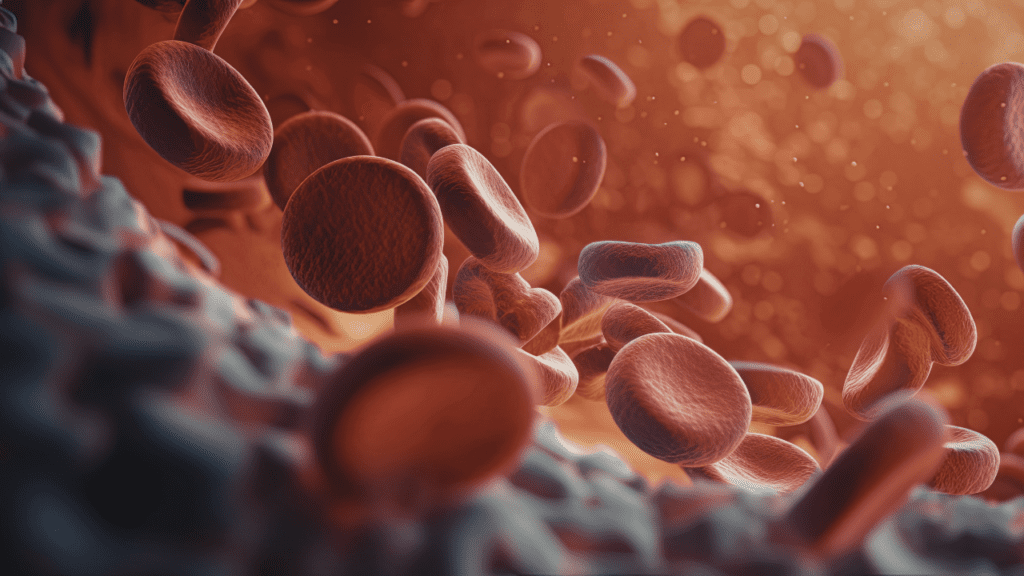
The TruCheck Intelli test is designed to detect circulating tumour cells (CTCs) in the bloodstream. These cells may be released from solid tumours and can be present even before symptoms develop.
Unlike traditional screening programmes that focus on a single cancer type, TruCheck is designed to detect signals associated with more than 70 different solid organ cancers.
Because the test focuses on circulating tumour cells, it is designed to detect solid organ cancers only. It does not detect blood cancers such as leukaemia or lymphoma.
The test is intended as a screening tool and not a diagnostic test.
Why Early Cancer Detection Matters
Many cancers develop silently in their early stages and may not cause symptoms until they have progressed. Because of this, early screening plays a crucial role in improving outcomes.
When cancer is identified early, treatment options are often more effective and less invasive. Patients may also have a wider range of treatment choices.
Preventive health screening aims to detect possible disease before symptoms develop. The TruCheck blood test supports this approach by helping identify potential cancer signals early, allowing timely medical investigation where necessary. Early detection can significantly improve the chances of successful treatment.
Who Is the TruCheck Test Suitable For?
The TruCheck blood test is designed for individuals who are currently well and have no symptoms suggestive of cancer.
It may be appropriate for:
Adults over 40 years old
Individuals with no current cancer symptoms
People interested in proactive health monitoring
Patients seeking early cancer screening
Individuals who want to incorporate cancer screening into an annual wellness check
Screening tests are most effective when used as part of a broader preventive health strategy that may also include regular medical check-ups and age-appropriate screening programmes.
Who Should Not Take the TruCheck Test?
The TruCheck test is not suitable for everyone. Certain individuals should not undergo this screening test.
The test is not recommended for:
Individuals with a history of cancer
Patients who currently have symptoms suggestive of cancer
Pregnant individuals
Individuals with significant anxiety related to medical testing
In these situations, other forms of medical evaluation may be more appropriate. A consultation with the clinic can help determine whether TruCheck screening is suitable.
How the TruCheck Test Process Works
The process is designed to be straightforward and typically involves four steps.
Step 1 – Pre-test consultation
Before the test is performed, patients undergo a consultation with the doctor. During this appointment, medical history and suitability for the test are reviewed.
Step 2 – Blood sample collection
A simple blood sample is collected at the clinic. The procedure is similar to standard blood testing and usually takes only a few minutes.
Step 3 – Laboratory analysis
The blood sample is transported securely to a specialised laboratory where advanced techniques are used to detect circulating tumour cells.
Step 4 – Results consultation
Once the results are available, the doctor reviews the report with the patient and discusses any recommended next steps. The interval between the sample being taken and the reporting being available is approximately 3 weeks.
Understanding the Test Results
NEGATIVE RESULT
POSITIVE RESULT
A negative result means circulating tumour cells were not detected. If circulating tumour cells are not detected, the result indicates a lower risk of cancer at the time of testing.
However, a negative result does not completely rule out cancer. Some cancers may not release detectable tumour cells into the bloodstream.
The sensitivity of the test is about 88-90% so approximately 1 in 10 cancers may be missed. For this reason, the TruCheck test is often recommended annually as part of ongoing preventive screening.
Approximately 1–2% of individuals tested may receive a positive result. If circulating tumour cells are detected, the result indicates a higher risk that cancer may be present. However, this result does not confirm a cancer diagnosis.
Further imaging may be recommended to investigate the possible source of the signal. TruCheck contributes up to £1,000 toward imaging costs.
Three monthly tests are provided at no laboratory charge for up to 2 years in situations where the test is positive, but imaging or other modes of investigation have yet to identify the cancer.
The test has a false positive rate of approximately 4%.
What’s Included in the TruCheck Test?
Pre-test consultation
Before the test is performed, patients attend a consultation with Dr Michael O’Gorman.
During this appointment, the doctor reviews medical history, family history of cancer, current health status and suitability for the screening test
This consultation ensures that patients understand the purpose of the test, its limitations, and what the results may mean.
Blood sample collection
A blood sample is collected at the clinic using standard medical procedures.
The process is similar to routine blood testing and usually takes only a few minutes.
The sample is prepared and packaged for secure transport to the specialised laboratory.
Secure sample transport
The blood sample is transported via medical courier to a specialised laboratory that performs the TruCheck analysis.
Maintaining strict handling and transport procedures ensures the integrity of the sample and the accuracy of the test.
Laboratory analysis
The sample undergoes specialised laboratory testing designed to detect circulating tumour cells in the bloodstream.
The analysis uses advanced techniques to identify potential cancer signals associated with more than 70 different cancer types.
Detailed laboratory report
Once testing is complete, a detailed laboratory report is generated.
This report provides information on whether circulating tumour cells were detected and may indicate the possible organ of origin in certain cases.
Post-result consultation
After the results are available, patients attend a follow-up consultation with Dr Michael O’Gorman. For negative results, you may opt for a video consultation as an alternative.
During this appointment, the doctor will review the results, explain what the findings mean, discuss whether further investigations are required and advice on the appropriate next steps.
Pricing
NEED MORE INFORMATION?
+44 7588385133
We prefer reaching out via WhatsApp, Instagram Direct Message or email.
TruCheck: Early Detection of Cancer
The cost of the TruCheck test includes a pre-test consultation, blood collection, sample transport, laboratory analysis, a detailed report, and a post-result consultation.
£1250 / test
If the TruCheck test indicates a possible cancer signal, further imaging may be recommended to investigate the finding. TruCheck provides up to £1,000 towards the cost of imaging where appropriate. If imaging does not identify cancer, a repeat TruCheck test may be offered after three months at no additional 'laboratory charge'. This can continue at three-monthly intervals without laboratory charges until the cancer is identified by appropriate means. (Note: a consultation fee applies to any consultations taking place after the initial post-test consultation)
The Exosome Facial in a nutshell
A Dr O’Gorman favorite: needling + 25 billion exosomes + mask + LED: skin rejuvenation, skin tightening, skin conditioning, fine lines, crepey skin, stretch marks, dark circles, lines around the mouth, necklines, acne scarring.
Skinbooster for extra hydration
Polynucleotides for extra collagen stimulation
Baby botox for the glass facial effect
All of the above for the VIP treatment
Frequently Asked Questions
The detection of circulating tumor cells (CTCs) presents a significant challenge in cancer diagnostics and monitoring. CTCs provide a non-invasive window into metastatic disease and could offer prognostic insights and treatment guidance, especially for cancers such as breast, lung, colorectal, and pancreatic. However, the detection and characterization of organ-specific markers on CTCs using fluorescent microscopy are fraught with technical challenges. These challenges arise due to variations in marker expression influenced by spatial (primary / metastatic lesions), grade-wise, stage-wise, hormone receptor status, and the site of CTC release.
Whilst we make every effort to identify the tissue / organ of origin in a CTC positive sample the bio-technical realism must be borne in mind. We work with a limited sample (30 ml), which in the early stages of the disease yields extremely low number of CTCs (typically 1 to 2 cells per ml) and this leaves very few suspected cells for analysis with more than 100 possible anti-body combinations. Accordingly, our best efforts must be understood within the confines of technical feasibility.
When CTCs indicative of Trucheck Intelli positivity have been detected in the given blood sample it is suggestive of higher risk of presence of cancer. Please refer to the care flow pathway in the pretest counselling document. The individual is advised to consult a physician for further guidance to undertake follow-up investigations including diagnostic imaging such as Whole Body-MRI or any other suitable imaging procedures. These results should be interpreted in the context of the individual’s clinical history and risk factors.
Studies have shown that screen-detected cancers have a more favorable stage distribution than symptom-detected cancers (1).
Mode of detection is an important, easy-to-obtain proxy indicator for favorable diagnosis beyond earlier stage at diagnosis and as such may be useful for risk stratification in treatment decisions. The detection of CTCs allows for the identification of cancer at an early stage. CTC analysis provides real-time information about the presence of cancer cells in the bloodstream. This is particularly beneficial for individuals at risk of developing various cancers or those with a family history of different cancer types. Early detection is crucial for improving treatment outcomes and increasing the likelihood of successful interventions.
Kindly share patient information brochure with each and every person opting to take Trucheck Intelli screening test.
Multi-cancer early detection tests are not intended to replace standard cancer screenings for specific cancers. Patients should be aware that they may still need to undergo regular screenings based on established guidelines.
It is recommended that patients are informed that no screening test is perfect; that there is a possibility of false positives (indicating cancer when there is none) or false negatives (missing actual cases of cancer). The physician may also discuss the implications of these scenarios.
MCEDs are required to be evaluated initially through case-control studies followed by larger studies and real-world data accumulation
The true performance of any cancer detection test, including an MCED, is a population scale exercise running into more than 200K to 500K individuals in the high-risk group being followed up over several years (seven years minimum). Considering the importance of early detection and the imminent harm in waiting for several years and mobilization of financial resources, there is general consensus that it is in the interest of society that MCEDs being made available on the basis of data from well-structured case control studies (please refer to publications on www.datarpgx.com) and smaller blinded studies whilst at the same time real world data should be collated for fine tuning the approach. Datar Cancer Genetics is currently collecting real-world data, and it will be available for public review when a significant number is reached to draw statistically meaningful conclusions.
Trucheck Intelli is minimally invasive and involves a simple blood draw. This contrasts with traditional cancer screening methods that may be more invasive, such as colonoscopies or mammograms. While this revolutionary test shows great promise, it is not perfect. False positives and false negatives can occur. Following-up with traditional gold standard diagnostic tests like various imaging modalities is necessary to confirm results and rule out false positives. The combination of different screening modalities has repeatedly been shown to enhance the overall sensitivity and specificity of cancer detection, providing a more comprehensive assessment (Please refer to attached publications 2,3,4 available in the public domain).
The transient positivity of circulating tumor cells (CTCs) in the blood of asymptomatic individuals can be a complex phenomenon. It may be due to multiple factors like spontaneous clearance of CTCs by immune system. The limitations of the test include possibilities of ‘false positives’ and ‘false negatives’ for detection of CTCs due to biological variations beyond the performance spectrum of the test. In view of all these factors it is recommended that when CTCs are suspected, even after a negative diagnostic evaluation, the risk of presence of cancer remains elevated and may warrant periodic evaluation in future.
DCG is enhancing value by offering follow-up repeat Trucheck test free of charge (FOC) 3 months after the first test. (N.B. Only the Intelli after 3-month interval will be FOC, all other repeat tests will be chargeable.)
Get in touch
Our Location
Skinbooster Injections in London
London Harley Street Precinct
The Dr Michael O’Gorman Clinic
19 Wimpole Street
Marylebone
London W1G 8GE
+44 7588385133
Skinbooster Injections in Melbourne
Melbourne Clinic
Renewed Confidence by Dr Michael O’Gorman
Suite 3, Level 1
456 St Kilda Road
Melbourne VIC 3004
+61 3 99732 480