


Many women experience changes in sexual desire, comfort, and satisfaction, but few openly discuss them due to stigma. A single factor rarely causes low libido in women. It often arises from hormonal changes, emotional health, lifestyle habits, and relationship dynamics.
In London, women’s wellness clinics are seeing a rise in cases of low sex drive, as more women seek personalised, holistic solutions. Left unaddressed, this can affect female sexual health and overall well-being.
In this guide, we’ll explore signs of low or no interest in sex, underlying causes, and practical at-home and clinic-based strategies in London to improve it.

Signs of Low Sexual Drive in Women
Female sexual dysfunction is often gradual but can signal a deeper imbalance in sexual health. London women seeking help for low libido commonly report:
- Reduced libido or no interest in sex.
- Vaginal dryness or discomfort during intimacy.
- Difficulty reaching orgasm or decreased pleasure.
- Emotional disconnection or lack of desire for closeness.
- Fatigue, mood changes, or irritability.
What Causes a Woman Not to Have Feelings?
Both mind and body influence a female’s sexual response. Factors may include emotional well-being, hormonal balance, medical conditions, or age-related changes. Below are the key causes of reduced sexual feelings in women:
Emotional & Relationship Factors
Stress, unresolved emotions, and relationship struggles can significantly affect sexual health for women in London.
- Stress, anxiety, or depression can dampen arousal by disrupting hormone levels and distracting from intimacy.
- Ongoing relationship conflict or disconnection reduces desire, making closeness feel forced rather than natural.
- Past trauma or fear of intimacy may trigger emotional withdrawal and avoidance of sex.
- Feeling emotionally unsupported or unappreciated creates resentment that lowers sexual interest.

Physical & Hormonal Factors
Hormonal changes and sex drive are closely linked, especially during key life stages. London-based women’s health clinics often address these concerns through personalised assessments and integrative care.
- Menopause, pregnancy, or post-birth changes often cause hormonal fluctuations that affect libido and vaginal health.
- Fatigue, poor sleep, or chronic stress disrupts hormone balance, lowering natural desire.
- Side effects of medications, such as antidepressants, contraceptives, or blood pressure drugs, can reduce arousal.
- Lifestyle habits like alcohol use, smoking, and poor nutrition limit blood circulation and hormone health.
- Age-related changes, particularly after 60, can reduce sexual responsiveness. But safe strategies exist for how to increase female libido after 60, including hormone therapies and wellness-based treatments.
Medical Conditions
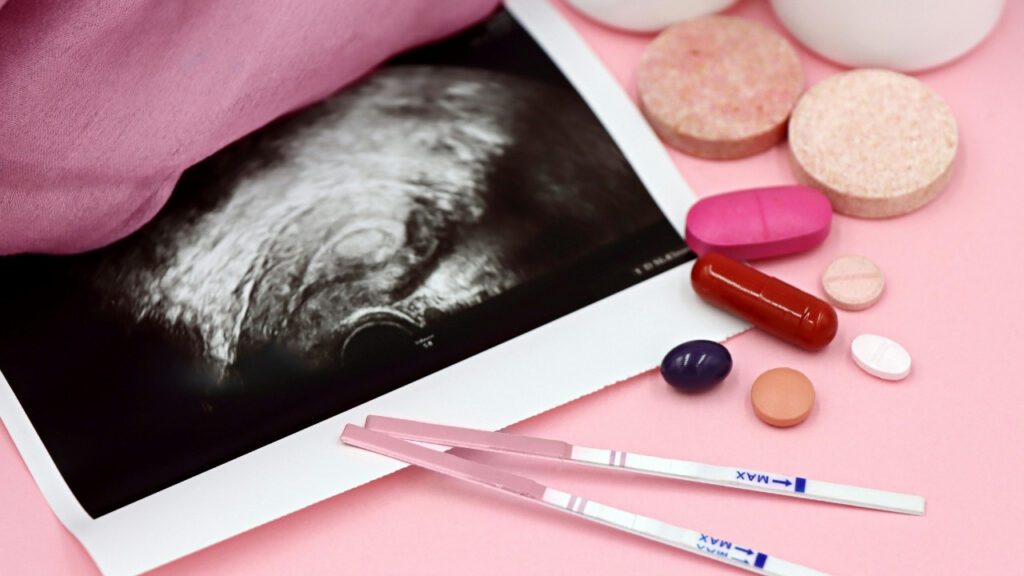
Underlying health issues can make women have no interest in sex. These include:
- Thyroid disorders, diabetes, and cardiovascular or respiratory disease which affect hormone balance and blood circulation.
- Chronic pain or pelvic floor disorders can make intimacy physically uncomfortable.
- Recovery after surgery, cancer, or hormone-related treatments may suppress desire until healing occurs.
How to Improve Female Sexual Health
Addressing low sex drive in women involves at-home strategies and medical interventions. Here are effective female sexual wellness treatments available in London for those looking to enhance intimacy and confidence.
Lifestyle and Home Remedies
Small daily habits play a significant role in women’s libido boost. Here are at-home and lifestyle remedies recommended by London sexual wellness experts:
- Adequate sleep and rest for hormonal balance: Quality sleep helps regulate cortisol and sex hormones that control desire.
- Nutrition for hormonal health: A diet rich in omega-3, zinc, and leafy greens supports estrogen and circulation.
- Exercise and movement: Regular physical activities boost blood flow to pelvic tissues and increase female sexual desire naturally.
- Emotional self-care: Journaling, therapy, or self-reflection supports mental health, reducing barriers to intimacy.
- Stress reduction and mindfulness: Yoga, meditation, or breathwork helps lower stress hormones that can affect libido.
- Limiting alcohol and smoking: Alcohol and smoking reduce sensitivity and blood circulation, lowering arousal.
- Relationship communication and intimacy building: Honest conversations about desires strengthen emotional and physical connection.
Medical Therapies & Clinical Support
For persistent symptoms, medical therapies offer effective ways to improve female sexual response. Some of the leading sexual health treatments for women in London include:
- Consult a healthcare professional to identify underlying conditions and create a tailored treatment plan.
- Conduct hormone testing to detect imbalances in estrogen, testosterone, and thyroid levels. Women in menopausal transition can benefit from hormone replacement therapy (HRT), especially if there is a connection between menopause and intimacy reduction.
- Medications such as Flibanserin and Bremelanotide may be prescribed for women with low sex drive. However, they are best used before menopause.
- Regenerative therapies, such as stem cell therapies, use the regenerative potential of stem cells to restore tissue health and improve natural responsiveness.
- Treating infections, such as bacterial vaginosis or yeast infections, resolves discomfort affecting desire.
- Platelet-rich plasma therapy, or PRP for women’s sexual health, stimulates cell repair and enhances sensitivity in intimate areas.
- Vagina laser and radiofrequency treatments improve blood flow to the vagina. They are a form of vaginal dryness treatment that stimulates collagen production and thickens the vaginal lining.

What Women Shouldn’t Do
Avoiding these common mistakes is essential when addressing female sexual dysfunction in London:
- Don’t ignore persistent symptoms of low sex drive.
- Don’t self-medicate or overuse “horny pills” without medical guidance.
- Don’t rely on quick fixes or unverified remedies.
- Don’t neglect sleep, stress management, and emotional well-being.
- Don’t ignore open, honest conversations with healthcare providers or partners.
Sharing Tips from Dr Michael O’Gorman’s Insight
Dr Michael O’Gorman, with his over 20 years of international expertise in sexual health, highlights these core ways on how to increase female libido:
- Female sexual health is best supported through lifestyle care and medical therapies.
- Every woman’s experience is unique, which calls for a tailored evaluation.
- Key tools to treat low libido in women include hormone testing, pelvic health assessment, and regenerative therapies.
- Typical female sexual wellness treatments may include topical vaginal oestrogen, topical testosterone cream, ashwagandha-based aphrodisiacs, and NAD+.
- Open communication with healthcare professionals ensures better outcomes.
- Emotional well-being is as important as physical health.
- Proactive medical support can lead to lasting improvements in desire and intimacy.

Ready to Take Control of Your Sexual Health?
Low libido in women is multidimensional, but it is treatable with the right support. At Dr Michael O’Gorman’s women’s wellness clinic in Marylebone, London, we offer personalised and discreet care that helps women boost their female sexual health. Our approaches include hormone testing, PRP regeneration, and non-surgical intimacy treatments.
If you are struggling with vaginal dryness, menopause and intimacy challenges, or general low sex drive, our team designs tailored solutions to help you thrive. Book your confidential consultation today to explore a customised plan designed to support your sexual well-being and overall quality of life.