

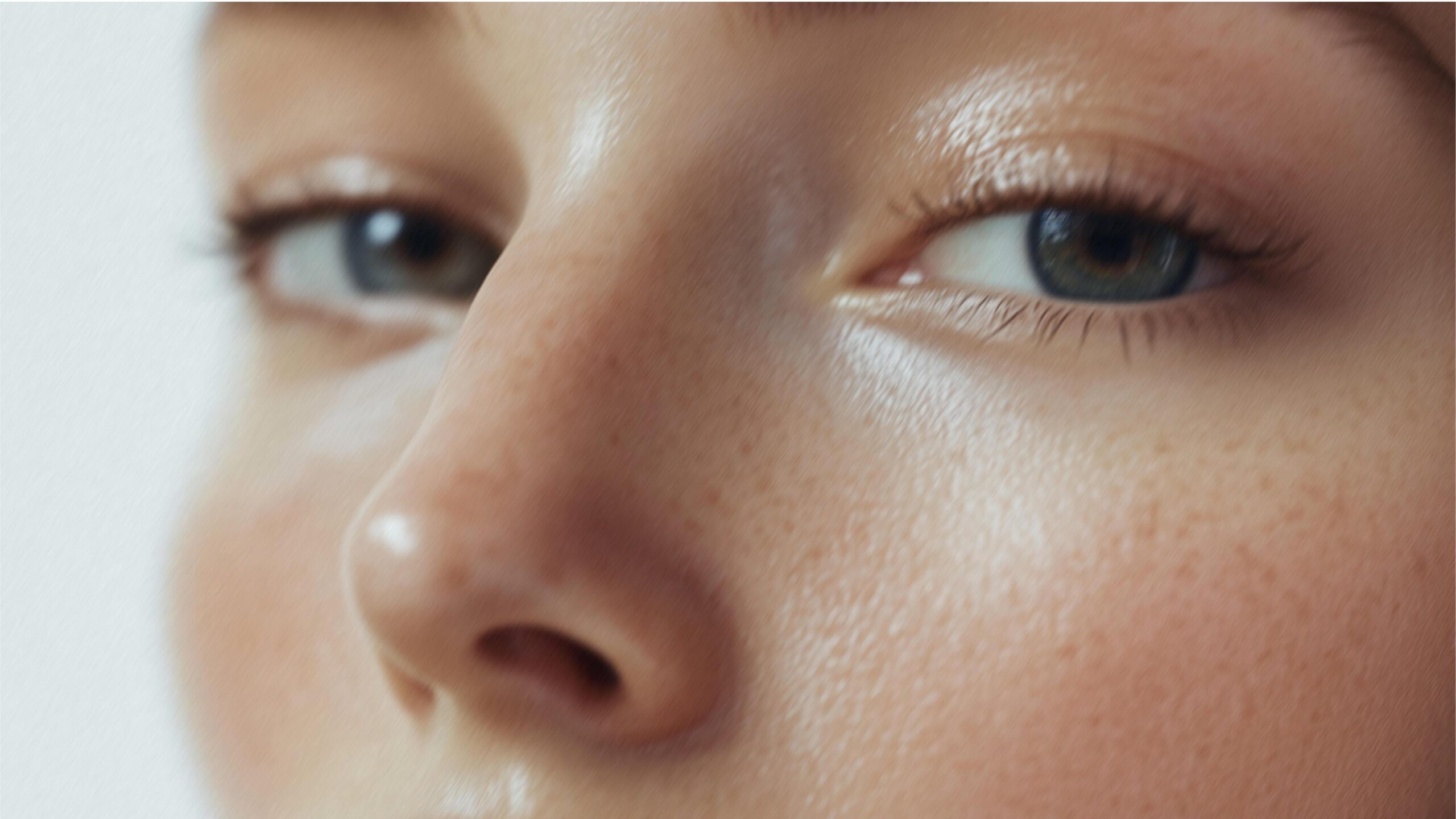
The under-eye area is often one of the first places to show signs of tiredness and ageing. Fine lines, dark shadows, and hollowness can all contribute to a fatigued appearance.
Two leading non-surgical treatments in the UK, polynucleotides and tear trough fillers, address under-eye rejuvenation in different ways. While both aim to improve the appearance of the eye area, their mechanisms, results, and suitability differ significantly.
This guide from Dr Michael O’Gorman explains how each treatment works and how to choose the most appropriate option for your eyes.
What Are Polynucleotides?
Polynucleotides are regenerative injectables that have been used in medicine for decades and are now refined for aesthetic medicine. They are long chains of nucleotides, the building blocks of DNA and RNA, developed through advanced biotechnology using purified freshwater salmon or trout DNA.
In the under-eye area, polynucleotide injections improve skin quality, enhance elasticity, increase hydration, reduce fine lines, brighten skin, and help improve the appearance of dark circles. A special formulation is used for the delicate eye area. Results develop gradually and focus on tissue repair, not volume.
What Are Tear Trough Fillers?
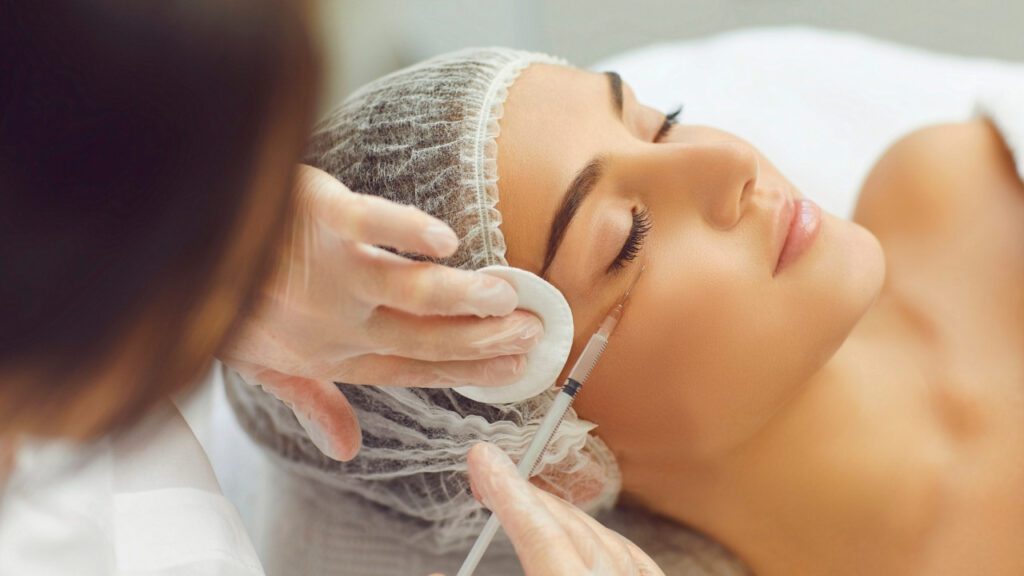
Tear trough fillers are hyaluronic acid fillers placed carefully in the under-eye hollow to restore lost volume and reduce shadowing.
This treatment works by replacing structural support in the tear trough, improving the transition between the lower eyelid and the cheek. Results are often visible immediately. Tear trough filler is best suited for patients with true volume loss rather than skin quality issues.
Due to the delicate anatomy of the eye area, careful product choice, precise placement, and a conservative approach are essential to minimise risks such as puffiness or overfilling.
Do you want to know more about your the eyes?
How Do Polynucleotides and Tear Trough Fillers Differ?
Although both treatments target under-eye rejuvenation, they achieve results through different biological mechanisms.
Polynucleotides work by regenerating skin health. They stimulate cellular repair, support collagen production, improve hydration, and strengthen thin or fragile under-eye skin. This makes them particularly suitable for dark circles, crepey texture, and early ageing where adding volume may worsen puffiness.
Tear trough fillers focus on structural correction. By replacing lost volume with hyaluronic acid, they reduce hollowing and shadowing beneath the eyes. Results are immediate but require expert placement to avoid complications such as overfilling or vascular compromise.
Feature | Polynucleotides | Tear Trough Fillers |
Mechanism | Stimulates collagen and cellular repair | Replaces lost volume with HA filler |
Best For | Thin, dull, or crepey skin, dark circles | Deep hollows, shadowing, volume loss |
Results Timeline | Gradual improvement over 2–3 months after a course | Immediate visible improvement |
Longevity | Typically 6–9 months | Can last several years, depending on placement |
Downtime | Redness and puffiness for 24–48 hours | Mild bruising or puffiness |
Risks | Temporary sensitivity | Overfilling or vascular issues |
Cost (UK average) | From £350 per session | From £450 per session |
Which Treatment Is Right for You?
If your main concern is skin texture, hydration, or under-eye resilience, polynucleotides are often the preferred option. They improve skin health gradually and suit patients who want subtle, natural-looking rejuvenation.
If your concern is under-eye hollowness caused by volume loss, tear trough filler may provide faster correction. The most appropriate treatment depends on anatomy, skin quality, and risk profile, all of which should be assessed during a medical consultation.
Can Polynucleotides and Fillers Be Combined?
Yes. Combining polynucleotides and tear trough fillers is often recommended in UK aesthetic clinics.
Polynucleotides improve skin quality, elasticity, and hydration, while fillers restore contour and volume. This sequential approach, often described as “regenerate then restore”, can produce smoother, more balanced outcomes while reducing the risk of overfilling and supporting long-term collagen health.

Remember to check and optimize your health before using any product.
Dr Michael O’Gorman – Trusted Specialist in Under-Eye Rejuvenation
Achieving brighter, smoother under-eyes depends on selecting the right treatment and applying it conservatively.
Dr Michael O’Gorman, an experienced aesthetic doctor at a London clinic, follows a strict “less is more” philosophy for tear trough filler, using specialist formulations designed for the delicate eye area.
Polynucleotides are frequently combined to improve skin quality and tissue health. For a total eye restoration approach, Dr O’Gorman may also incorporate MP2 skin tightening and Venus Viva nanofractional RF skin resurfacing. Patients are encouraged to book a personalised under-eye consultation.
London Clinic Details
- Address: 19 Wimpole Street, Marylebone, London W1G 8GE
- Opening hours: Monday to Friday, 9 AM to 6 PM
- Booking: Consultations and quotes are available upon request. Visit the clinic website or call +447588385133 to schedule your polynucleotide appointment in London.