

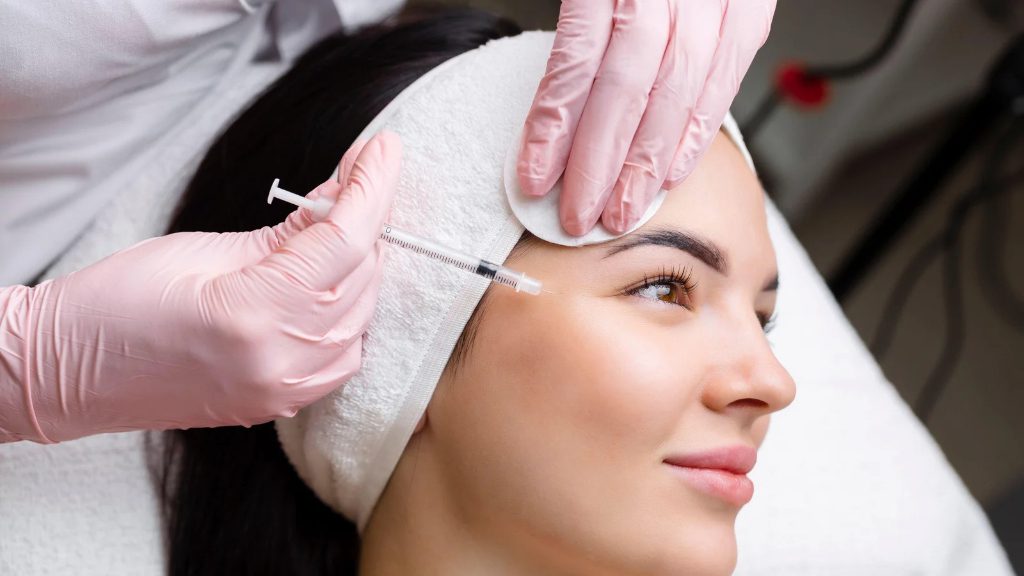
Anti-aging treatment for the face has become popular across a wide range of markets, with procedures now spanning both invasive and non-invasive options for targeting facial ageing. Patients increasingly favour a “natural look,” choosing subtle enhancements that preserve authenticity over dramatic, obviously “done” results.
This article covers 6 low-invasive anti-ageing treatments for the face, and how they can be combined into a genuinely personalised treatment plan, based on different mechanisms targeting signs of ageing.
What is Anti-Ageing Treatment for the Face?
Skin ageing is a multifactorial process, driven by intrinsic mechanisms, including reduced proliferative capacity, genetic predisposition, and hormonal changes alongside extrinsic factors such as chronic UV radiation, pollution, and lifestyle choices like diet, smoking, alcohol, sleep, and skincare practices. Together, these collectively contribute to the visible signs of ageing: wrinkles, sagging, and hyperpigmentation.
For a long time, anti-ageing treatment has been one of the most popular treatments among UK patients. Anti-ageing treatment for the face generally works through one of two main mechanisms: stimulating collagen regeneration within the dermis layer, or contouring facial structure using injectables. Understanding which mechanism a given treatment relies on is genuinely useful when deciding how to choose an anti-ageing treatment that actually fits your specific concern.
Top 6 Anti-Ageing Treatments for the Face That Are Worth the Price
Low-invasive treatment is defined as a non-surgical procedure, targeting the natural regeneration of the body’s own components, collagen and elastin, which play a vital role in skin elasticity. According to a systematic review of the available literature, there are 6 common types of non-surgical anti-ageing treatments worth knowing about.
| Anti-ageing treatment | Technique | Mechanism | Applications |
| Bio-stimulatory & regenerative therapies | Sculptra, Julaine (PLLA), CaHA, PRP | Stimulates collagen production in the dermis | Overall skin health, elasticity, tone, tissue repair |
| Injectables (Botox and dermal fillers) | HA fillers, botulinum toxin | Adds volume or relaxes targeted muscles | Midface volume, tear trough, lip augmentation, dynamic wrinkles |
| Energy-based devices | LED, RF, IPL Photofacial, Ultrasound, Laser | Stimulates cell activity via light or radiofrequency and thermal energy | Collagen generation, skin tone, overall rejuvenation |
| Chemical exfoliations and peels | TCA, AHAs, BHAs, mandelic, phenol, kojic acid | Breaks down connections between aged keratinocytes | Acne scars, melasma, mild photoageing |
| Microneedling & combination modalities | Microneedling, RF microneedling, nano-needling | Creates controlled micro-injuries to trigger healing | Skin quality, neovascularisation, collagen production |
| Fat reduction and skin tightening | Injectable or device-based methods | Reduces excess facial fat, tightens skin | Facial contouring, loss of skin elasticity |
Bio-Stimulatory and Regenerative Therapies
As a modern approach to anti-ageing, biostimulator injections work by acting as a stimulating agent, with beneficial effects for local rejuvenation through increased collagen production in the dermis layer. Common treatments that stimulate collagen in this way include Sculptra and Julaine (both PLLA-based), CaHA, polynucleotides, and platelet-rich plasma (PRP).
Widely used among low-invasive injections, biostimulator injections tend to be prescribed when patients want to improve overall skin health, targeting skin elasticity, tone, tissue repair, and a reduction in fine wrinkles, all at once rather than addressing just one concern in isolation.
Injectables (Botox and Dermal Fillers)
A more conventional aesthetic method, this category uses gel-based hyaluronic acid (HA fillers, or dermal fillers) and botulinum toxin (Botox) in facial contouring procedures.
HA fillers have demonstrated significant efficacy in midface volumisation, tear trough correction, and lip augmentation. Botox, meanwhile, shows consistently reliable short-term improvement in dynamic wrinkles and expression lines, with experts also noting its role in managing facial pore size and treating conditions such as masseter hypertrophy and gummy smile.
These anti-wrinkle injections can be used together to achieve a synergistic effect, often bringing greater overall satisfaction for clients dealing with dynamic wrinkles than either treatment would achieve alone.
Energy-Based Devices
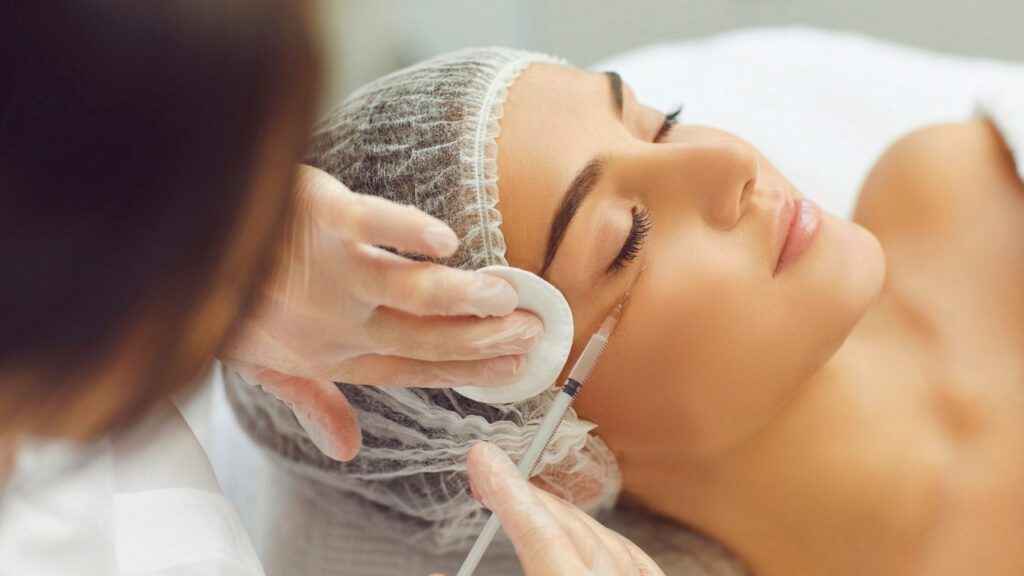
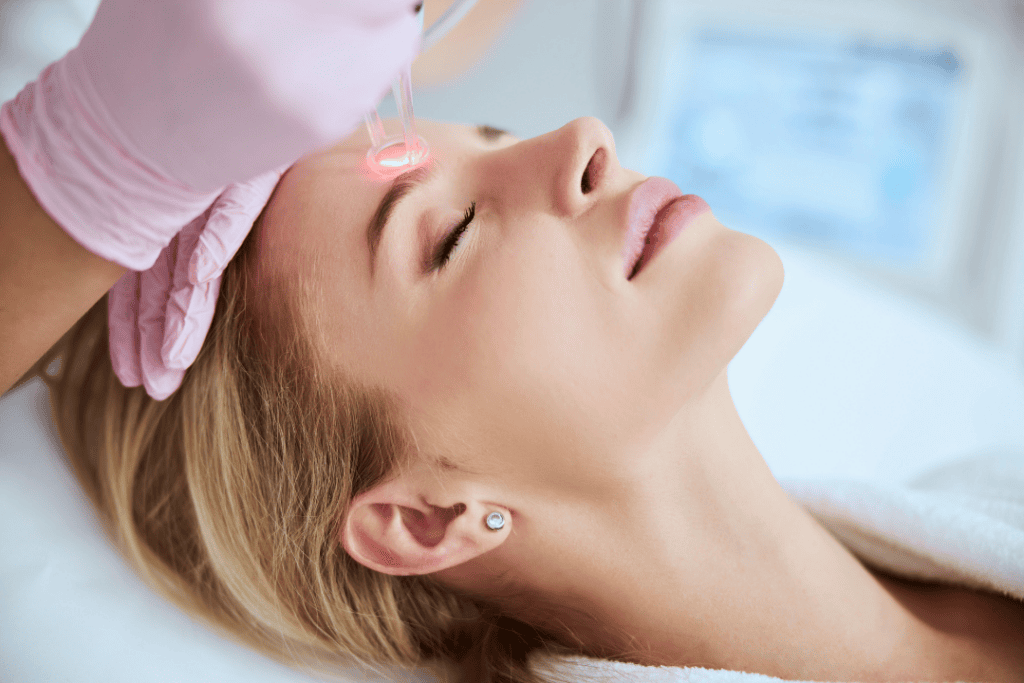
Low-frequency lasers are another commonly used anti-aging treatment for the face, stimulating cell activity through short wavelengths. Common applications found in clinics include LED light therapy, RF technologies, and IPL Photofacial — some used as standalone treatments, others combining light or radiofrequency with needles to stimulate collagen generation deeper within the dermis.
Light therapy combined with microneedling or peels is also a genuinely flexible approach within broader anti-ageing treatment plans, since pairing these methods helps bypass the epidermis’s natural protective barrier more effectively than either treatment alone.
Ultrasound’s thermal energy for skin tightening, and laser resurfacing devices for scars, fine lines and surface blemishes can also be considered within this category
Chemical Exfoliations and Peels
Chemical peels remain a cost-effective option for superficial rejuvenation, effectively targeting acne scars, melasma, and mild photoageing. They work by breaking the connections between aged keratinocytes, sending a signal that activates the skin’s own natural healing capabilities.
Effects tend to be mild when peels are used on their own, which is why they’re so often combined within a broader aesthetic treatment plan rather than relied upon as a standalone solution. Common ingredients include TCA, AHAs, BHAs, mandelic acid, phenol or modified phenol, kojic acid, and enzymatic peel formulations. It’s worth knowing that chemical peel downtime varies considerably depending on the strength used, superficial peels often involve little more than mild redness for a day or two, while deeper formulations can require a longer recovery period.
Microneedling and Combination Modalities
Microneedling, radiofrequency microneedling, and nano-needling have all demonstrated marked improvements in skin quality by promoting collagen production and neovascularisation. Microneedling works specifically on the epidermis layer: by creating controlled, minor injuries, it stimulates the skin’s natural healing capabilities, which in turn produce collagen and elastin to compensate for the injured tissue.
Microneedling techniques have shown the greatest effectiveness when combined with chemical peels, but also pair well with HA fillers, botulinum toxin A, PRP, and laser therapy, reinforcing just how often combination treatment outperforms any single method used alone.
Fat Reduction and Skin Tightening
Categorised broadly as injectable methods, these treatments target facial contouring and reduce excess fat in specific areas of the face, while also addressing issues related to loss of skin elasticity.
This category is typically prescribed following an initial consultation and proper facial analysis, and tends to be used as a supplementary treatment for minor adjustment, rather than as a complete standalone replacement for other approaches.
How Can I Improve the Results of Anti-Ageing Treatment?
Combination and a genuinely personalised anti-ageing treatment plan matter enormously here, since no single anti-ageing for the face is a one-size-fits-all solution. A proper consultation with an aesthetic doctor helps determine which concerns should be prioritised first, and which treatments make sense together.
The overall effectiveness of any anti-ageing process tends to depend on three factors working together:
- A combination treatment: Ageing is a complex phenomenon, tied to the natural ageing of multiple skin structures at once, which is exactly why a treatment regimen combining several methods tends to improve overall skin structure and deliver a more natural-looking rejuvenation than relying on one method in isolation. This is a crucial consideration in any skin-enhancing procedure.
- Frequency of treatment: When undergoing anti-ageing treatments, it’s essential to stick to scheduled appointments and return visits to maintain the treatment’s effectiveness. Since each rejuvenation procedure yields results for a specific duration, proactively sustaining those effects through follow-up treatment genuinely helps prolong the outcome.
- Healthy lifestyle maintenance: Anti-ageing skin treatments can only improve skin function at the dermal level. What makes anti-ageing long-lasting is a healthy lifestyle, revitalising the skin more broadly and supporting genuinely long-lasting anti-ageing benefits. One particularly effective way to help inhibit the ageing process is reducing sugar consumption, since sugar is known to disrupt the natural molecules of collagen and elastin. This connection between diet and skin health is often underestimated, but it plays a real role in how well any in-clinic treatment holds up over time. And of course, a nuanced skincare plan that includes daily sunscreen is an important component too.
Attain Skin Revitalisation With a Personalised Treatment Plan at Dr Michael O’Gorman’s Clinic
At Dr Michael O’Gorman’s anti-ageing clinic in London, anti-ageing treatment is approached as a combination of low-invasive methods, aiming to enhance overall skin health while bringing out a natural, youthful look. Nominated as an aesthetic doctor in the Tatler Address Book, Dr Michael O’Gorman approaches the anti-ageing process with thorough dedication, carefully balancing aesthetic goals with reasonable medical application.
Drawing flexibly on these 6 anti-aging treatments for the face, every personalised treatment plan at the clinic is designed following a proper consultation with Dr Michael O’Gorman and a thorough skin analysis, ensuring a genuinely satisfying outcome tailored to your own skin, rather than a generic, one-size-fits-all approach.
London Clinic Details
- Address: 19 Wimpole Street, Marylebone, London W1G 8GE
- Opening hours: Monday to Friday, 10 AM to 6 PM
- Booking: To book a holistic treatment and consultation with Dr Michael O’Gorman, message the clinic on +44 7588 385133 or book directly via the website.
Frequently Asked Questions
- Which anti-aging treatment is best for my age (30s, 40s, 50s)?
In 30s, patients often benefit most from pre ventative treatments like light therapy, peels, or early biostimulator use to maintain the youthful look; those in their 40s may see more value from a combination of biostimulators and targeted injectables; and those in their 50s often benefit from a broader combination plan addressing volume loss, skin laxity, and uneven skin tone together. A proper consultation is the best way to confirm what’s right for you.
- How natural will I look after anti-aging treatments?
Low-invasive, non-surgical anti-ageing treatments for the face are specifically designed to preserve a natural appearance, working gradually with your skin’s own regenerative processes rather than creating a sudden, obvious change. Particularly biostimulatory and energy-based approaches will eventually show the results after 3-6 months of gradual improvement.
- What causes wrinkles and fine lines?
Wrinkles and fine lines develop through a combination of intrinsic factors, such as reduced collagen production and genetic predisposition, and extrinsic factors, including UV exposure, pollution, and lifestyle habits like smoking, poor diet, and inadequate sleep that breaks the collagen molecules faster.
- When will I see results from biostimulator injections?
Biostimulator injections work gradually, with visible improvements typically building over several weeks to 6 months as collagen production increases.
- Is there an aesthetic doctor near Wimpole Street or Marylebone?
Yes. Dr Michael O’Gorman’s clinic is located on Wimpole Street in Marylebone, London, offering personalised anti-ageing consultations and treatment plans, with a thorough approach to balance medical applications with visual satisfaction.