

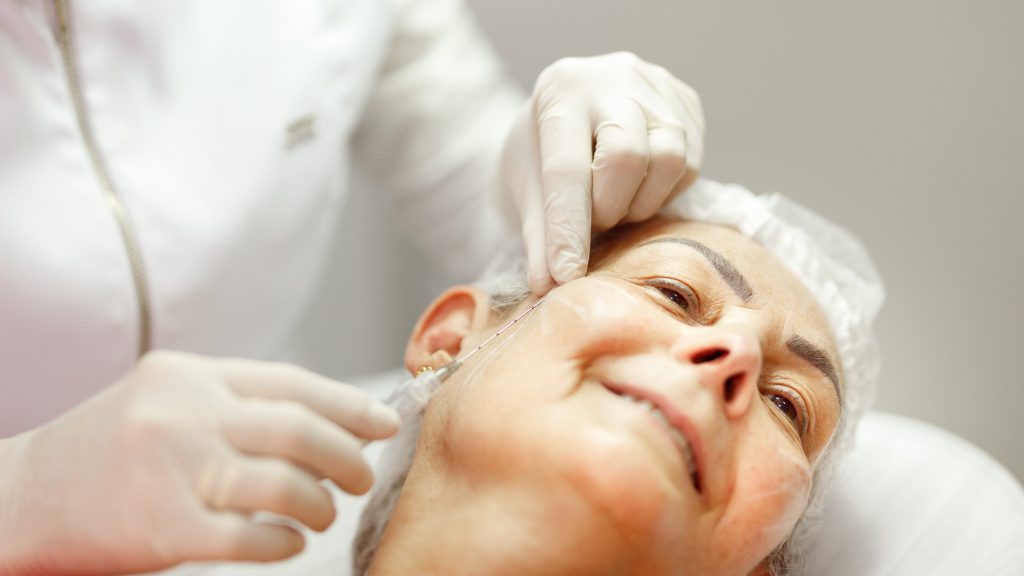
Biostimulators for facial rejuvenation have become a favourite choice when it comes to rejuvenation therapy for the face, thanks to their gradual but long-lasting effect on facial skin health. In this article, we unveil the top 3 biostimulators for face, and when you should consider each one to improve skin texture right from the early stages of ageing.
Advantages of Biostimulators Compared to Other Injectables
With a growing preference for minimally invasive treatment, biostimulator injections are becoming more popular among patients in London, especially when you are looking at a subtle improvement but lasting up to 2 years. Biostimulators work as a foundation-builder, rebuilding the underlying structure of the skin to support long-term youth, rather than targeting only the superficial surface layer.
To better understand what biostimulator injections are and their differences compared to other injecting methods, here is a quick comparison table based on their applications in skin aesthetic treatment.
| Criteria | Biostimulators | Dermal fillers | Anti-wrinkle injection |
| Mechanism | Stimulates the skin’s own collagen and elastin production | Physically adds volume beneath the skin | Temporarily relaxes targeted facial muscles |
| Application | Injected into the dermis to trigger gradual tissue rebuilding | Injected into specific areas for contour and volume | Injected into muscles responsible for dynamic expression lines |
| Downtime | Minimal; mild swelling or bruising possible. | Minimal; some swelling at injection sites. The effect can be seen immediately. | Minimal; occasional bruising. The effect can be seen after 7 – 10 days.. |
| Flexibility | Suits a broad range of concerns, from ageing to acne scarring, with gradual effect. | Best for defined volume loss or contouring. | Best for expression lines, such as frown lines or crow’s feet |
Beyond this comparison, a few specific advantages stand out. Biostimulators offer minimal downtime alongside a genuinely long-lasting result, fillers typically last from 6 to 18 months, while biostimulators can last up to 24 months after the procedure. They also improve tissue quality directly, since increasing collagen and elastin production also increases the thickness of the dermis layer itself, not just its appearance.
Another standout advantage of injecting biostimulator components, is their flexibility in the truest sense, targeting a wide range of skin concerns, from natural ageing and volume loss through to acne-prone skin with atrophic scarring.
Top 3 Biostimulator for Face: Skin Types and Recommended Age
Under this umbrella term, three types of stimulants that can target the collagen and elastin production are PLLA, PRP (platelet-rich plasma), and polynucleotides. Different types of biostimulators for face are built around different mechanisms, which means each one tends to suit a slightly different ageing concern, targeting different ageing evidence.
PLLA (Sculptra and Julaine)
Poly-L-lactic acid (PLLA) is the conventional biostimulator for the face, and it’s been used in clinical practice for more than 20 years. As one of the more established collagen-stimulating injections for the face, PLLA stimulates both Type I and Type III collagen, gradually thickening the dermis layer and supporting facial structure over a period of around 3 to 6 months.
The effect is long-lasting, with results able to persist for up to 24 months after treatment. PLLA is particularly suited to biostimulation for early signs of ageing, skin laxity linked to the natural ageing process, or the first subtle fine lines and early wrinkles that haven’t yet become pronounced.
Because the collagen build-up happens gradually, PLLA tends to suit people who are comfortable with a treatment plan rather than a single appointment. Most protocols involve a short course of sessions spaced several weeks apart, allowing the skin to respond steadily rather than all at once. This also means PLLA is often the biostimulator of choice for anyone who wants a natural-looking rejuvenation therapy for the face, since the change in facial structure builds subtly in the underlying layer rather than appearing visibly right after the treatment.
Platelet-Rich Plasma (PRP)
PRP is a self-natural biostimulator, derived directly from your own blood, which helps diminish the risk of adverse effects caused by incompatibility with an external product.
PRP works by triggering the skin’s own self-healing capabilities, signalling fibroblasts to continue generating collagen and elastin as part of the natural healing process. It also shows a notably strong anti-inflammatory effect, which makes it a useful option for sensitive or inflamed skin, including acne-prone skin.
Results from PRP are also long-lasting, though for acne-related treatment specifically, multiple sessions are often needed to properly achieve the targeted goal. PRP tends to be the preferred choice among biostimulators for face treatment where acne-prone or sensitive skin, such as eczema or rosacea, needs genuine healing support that will eventually calm down the inflammatory responses.
Because PRP is drawn from your own blood, it’s also a sensible option for anyone who’s previously reacted to an injectable product, or who simply prefers a treatment built entirely from their own biology rather than a synthetic or donor-derived material.
Polynucleotides
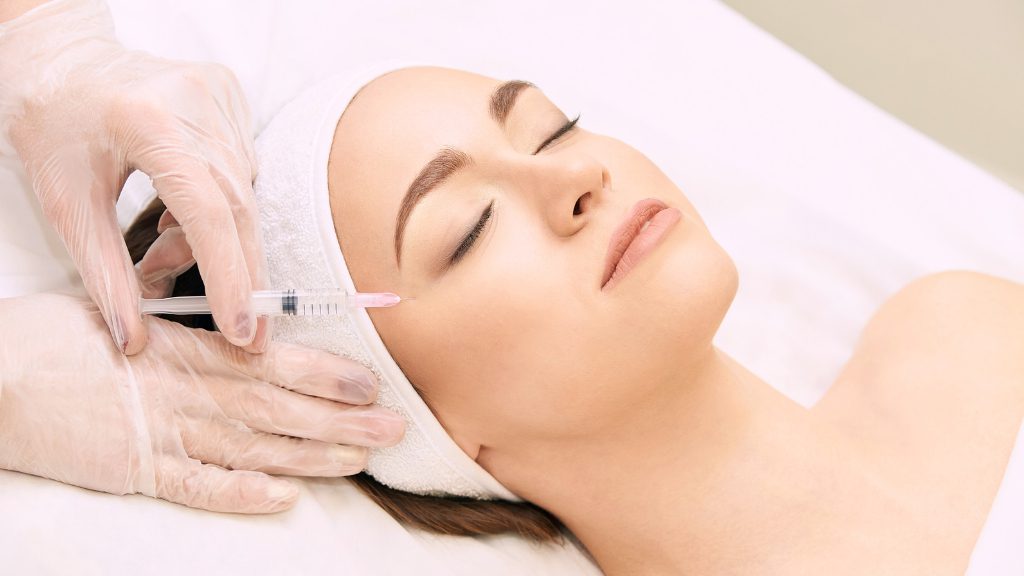
Polynucleotides represent a more modern biostimulator, working by signaling the dermis layer to address multiple concerns at once: hyperpigmentation, fine lines, skin texture, and hydration.
They’re sometimes used interchangeably with dermal fillers in delicate areas, such as under the eyes, to achieve a subtle tightening effect that can visually resemble added volume and improved firmness, without the bulk of a traditional filler. Polynucleotides are also well suited to more complicated skin concerns, including oily skin with uncontrollable sebum production, and can be delivered through several methods, injection, microneedling, or cannula, depending on the area and the desired result.
This versatility makes polynucleotides a good fit for people juggling more than one concern at once, such as mild hyperpigmentation alongside dehydration, where a single-purpose treatment wouldn’t address the full picture. By this, aestheticians and dermatologists often use polynucleotides in an integrated treatment plan, where synergistic effects are prioritised for overall enhancement.
Biostimulators by Skin Concern: A Quick Summary
Taken together, these three biostimulators cover quite different anti-ageing priorities. PLLA focuses on structural rebuilding, making it the better fit for skin laxity and more established signs of ageing. PRP is centred on recovery and radiance, which is why it suits sensitive, inflamed, or acne-prone skin well. Polynucleotides, meanwhile, are more about overall skin health and quality, addressing texture, hydration, and pigmentation together. Rather than one being universally “the best,” the right choice really comes down to which concern is driving your decision to seek treatment in the first place.
Can a Biostimulator Replace Healthy Lifestyle?
Contrary to assumptions, biostimulators cannot replace a healthy lifestyle. The point of biostimulators for face is to stimulate the normal function of skin tissue, resulting in a visible improvement, but a genuinely youthful look is built on a combination of factors, including a healthy lifestyle and diet, rather than relying solely on biostimulator injections. Instead of treating skin health as a separate component, skin health associates directly to internal function, meaning an overall healthy lifestyle can gradually affect how your skin looks.
Skincare matters just as much. A structured skincare routine built around moisturisers, SPF, and antioxidants will bring a significant improvement to overall skin health, and works alongside biostimulators rather than being replaced by them. Thinking of biostimulators as one part of a broader approach, rather than a standalone fix, tends to produce the most satisfying long-term results.
What to Expect After a Biostimulator Injection Treatment
A thorough consultation will instruct you on the homecare needed afterwards to help minimise any adverse effects. It’s worth being aware of a few practical points before booking:
- Side effects: These can include bruising, swelling, and particularly with PLLA, the occasional development of nodules at the injection site.
- Who shouldn’t have treatment: This generally includes pregnant individuals, anyone with an active infection or certain skin conditions, people with autoimmune conditions, those with a keloid tendency. Specifically for PRP, anyone on blood-thinning medication would not be suitable to use this treatment. Always have the clinic confirm your suitability during a proper consultation before booking.
- Cost and number of sessions: Because each treatment type shows its effect over a different timeframe, a maintenance treatment session is often necessary to maintain results over the long term.
Have a Personalised Treatment Plan at Dr Michael O’Gorman’s Clinic
At Dr Michael O’Gorman’s clinic, biostimulator injections are one of the central treatments used in anti-ageing treatment in London, often combined with other approaches to deliver the most satisfying results. Nominated as a trusted aesthetic doctor in the Tatler Address Book, Dr Michael O’Gorman approaches the anti-ageing process with thorough precision, balancing aesthetic goals with sound medical application.
With a strong background working across anti-ageing treatments since 2004, Dr Michael O’Gorman prioritises gradual but genuinely long-lasting revitalisation, combining biostimulators for face with minor lifestyle alteration like eating habits, and regular exercise. The aim throughout is overall wellbeing: addressing what genuinely needs addressing, to encourage a sense of wellbeing from within, rather than simply altering surface appearance.
London Clinic Details
- Address: 19 Wimpole Street, Marylebone, London W1G 8GE
- Opening hours: Monday to Friday, 10 AM to 6 PM
- Booking: To book a holistic treatment and consultation with Dr Michael O’Gorman, message the clinic on +44 7588 385133 or book directly via the website.
Frequently Asked Questions
- Which biostimulator is best for acne-prone or sensitive skin?
Platelet-rich plasma (PRP) tends to be the most suitable choice, thanks to its strong anti-inflammatory properties and its ability to support the skin’s natural healing process without introducing an external substance.
- When will I see Sculptra results?
Sculptra, made from PLLA, generally shows gradual results over 3 to 6 months, as the treatment stimulates collagen production and progressively thickens the dermis layer which requires adequate time to settle the foundation. Full results continue to develop over this period rather than appearing all at once, maintaining the youthful look up to 24 months.
- What is the difference between polynucleotides and skin boosters?
Polynucleotides work by signalling the dermis to improve tissue quality, hydration, resulting in a tightening effect that contributes to an overall youthful look, while traditional skin boosters are primarily focused on delivering hydration through hyaluronic acid. Polynucleotides tend to offer a broader range of benefits, including some structural support.
- Do I need SPF after biostimulators?
Yes. SPF is an essential part of ongoing skincare following any biostimulator treatment, helping to protect newly stimulated collagen and elastin from UV-related breakdown and supporting the longevity of your results. A skincare routine consists of SPF, antioxidants, and healthy diets will help patients maintain the youthful appearance longer.