

Platelet-rich plasma (PRP) facial treatment is an advanced, minimally invasive option used for multi-purpose skin rejuvenation. As a PRP aesthetic treatment, it works with the skin’s own natural repair processes, rather than introducing anything foreign to the body, which is part of why it’s become such a popular option for people looking for a more regenerative approach to skin health.
In this article, we explore the mechanism of PRP treatment for skin, and how it helps maintain a youthful look from the growth factors extracted directly from your blood.
What is PRP Facial Treatment?
Platelet-rich plasma (PRP) is a biological product involving the injection of activated platelets, which stimulate the release of growth factors. This, in turn, triggers fibroblast proliferation and healing through the formation of new collagen, elastin, and extracellular matrices. Introduced in 1970, PRP treatment was not only applied for skin treatment, it was also used in different specialties as a promising therapeutic tool, such as knee osteoarthritis (degenerative knee joint).
In simple terms, PRP skin rejuvenation works by encouraging the skin’s own natural proliferation mechanisms, aiming to help recover damage caused by external factors like aging, inflammation, or sun exposure.
What Skin Conditions Can Benefit from PRP Facial Treatment?
By triggering this natural proliferation response, skin that’s been damaged by aging, inflammation, or UV exposure can see genuine benefit, typically becoming noticeable after around three PRP facial sessions.
Aging Skin
Aging skin is often driven by declining levels of collagen and elastin, the two proteins responsible for skin’s structure and bounce. The main visible problems that follow are sagging skin, wrinkles, and brown spots, largely caused by a natural reduction in skin growth factors over time, or by cumulative UV exposure.
PRP facial treatment focuses on triggering elastin and collagen production at the dermis layer, supporting natural dermal remodelling from within rather than simply addressing surface appearance. Research using PRP on aging skin has shown an increase in reticular dermis thickness, driven by the deposition of new collagen and elastin fibres, a meaningful structural change beneath the surface, not just a temporary plumping effect.
Acne-Prone Skin
Acne is a complicated skin problem, which develops when pores become obstructed with sebum and dead skin cells, creating an ideal environment for bacteria to thrive. With external factors, acne can develop into acne lesions, carrying the potential to develop permanent facial scarring if the underlying acne inflammation isn’t properly managed.
Drawing on PRP’s wound-healing capabilities, injecting PRP into acne-prone skin can help promptly ease inflammation and encourage the skin to recover before that damage has a chance to turn into lasting scarring. This makes PRP a genuinely useful option for people dealing with active breakouts, not just for repairing scars after the fact.
Photoaging Skin
Sun damage can cause a whole range of skin problems, from damaging cells deep in the hypodermis through to visible photoaging skin on the surface. UV is the primary external stress that causes oxidative stress in the skin, breaking the structure of collagen and elastin which leads to the deterioration in the dermis layer. This kind of sun-damaged skin often shows up as fine lines, uneven texture, and hyperpigmentation that can be stubborn to shift with topical products alone.
Alongside proper sun protection, PRP facial treatment can help with photoaging by regulating the UVB-related production of MMP-1, tyrosinase, fibrillin, and tropoelastin, the specific proteins and enzymes involved in how sun exposure breaks down healthy skin structure over time.
Effective Combinations for Skin Rejuvenating Treatments
Although PRP facial treatment can demonstrate its effect when used alone, it is also frequently used as a combination treatment, boosting the effect of other skin regeneration approaches depending on what a person’s skin actually needs.
| Skin concern | Main problem | PRP effect | PRP combination recommended |
| Acne-prone skin | Inflammation and risk of permanent scarring | Reduces inflammation and supports faster healing | PRP with Chemical Peels and LED |
| Aging skin | Declining collagen and elastin, leading to sagging and wrinkles | Stimulates collagen and elastin deposition in the dermis | PRP with Hyaluronic Acid |
| Photodamaged skin | Sun-induced breakdown of skin structure and pigmentation | Regulates UVB-related enzyme activity, supporting repair | PRP with Laser Skin Resurfacing |
| Atrophic-scar skin | Depressed scarring from previous acne or injury | Supports tissue regeneration around damaged areas | PRP with Microneedling to restructure the scar layers. |
PRP Facial with Chemical Peels
Dermatologists often combine PRP facial treatment with chemical peels specifically to target tissue scars, which can be genuinely helpful for managing stubborn acne lesions, reducing inflammation, and helping prevent further scarring from forming. While chemical peels resurface the inflamed areas, PRP injection strengthens the skin layer, encouraging the healing capability of the skin before it escalates into inflammation.
PRP Facial with Hyaluronic Acid
Combining PRP skin treatment with hyaluronic acid can accelerate skin regeneration of both collagen and elastin. Studies pairing the two have shown safe and effective improvements in neck skin firmness, hydration, and the regulation of pigment and sebum production, with benefits lasting up to six months after a course of three treatment sessions.
This particular combination tends to be recommended for individuals in their fifties or sixties who are specifically looking to improve skin firmness.
PRP and Laser Skin Resurfacing
When PRP is combined with laser treatments, whether CO2 or IPL, this pairing can target multiple skin conditions at once. IPL tends to work well for photodamaged skin showing wrinkles and brown spots, while CO2 fractional laser is often chosen for more general, overall skin enhancement.
PRP and Microneedling
For atrophic-scarred skin, a derma roller or other microneedling tool is used in dermabrasion to create controlled micro-injuries in the skin, activating its natural recovery mechanism, with PRP layered on top to enhance the effect.
Microneedling itself is commonly used to address a range of dermatological conditions, including post-acne scars, wrinkles, surface irregularities, enlarged pores, and stretch marks, and it’s particularly effective at helping to improve skin texture and even out skin tone.
How Many Times Should I Do PRP Facial for Best Results?
Given its multiple benefits at the cellular level, PRP facial treatment is widely used in clinical practice, typically with one session every two to three weeks producing the most effective results. While research still holds differing views on the ideal timeframe for peak results, a period of around 6 to 12 weeks, spread across three PRP facial sessions, tends to be considered a sensible benchmark.
If you’re looking for a regenerative skin treatment in London that works with your body’s own natural repair processes, PRP is well worth discussing during a consultation, particularly if previous topical treatments haven’t given you the results you’re after.
Regenerating Youthful Look with Dr. Michael O’Gorman’s Holistic Approach
As a trusted aesthetic doctor by Tatler Address Book, Dr.Michael O’Gorman is known for his holistic approach to aesthetic treatment, prioritising long-term wellness rather than instant results. With this approach in mind, every treatment is planned based on thorough consultations with Dr.Michael himself, ensuring treatments match the skin problems.
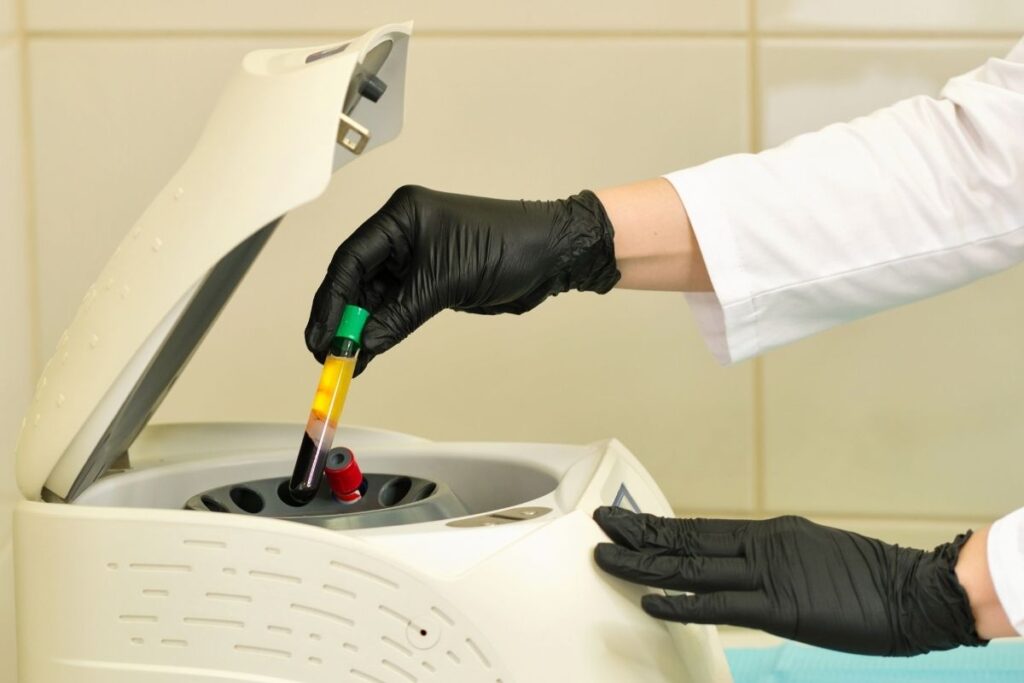
In particular, PRP facial treatment for London clients is delivered as part of a holistic approach, using modern technology to extract platelet-rich plasma directly from your own blood. After thorough consultations, you’ll receive a personalised PRP treatment plan designed specifically around your skin concerns, ensuring the results you leave can meet your expectations.
London Clinic Details
- Address: 19 Wimpole Street, Marylebone, London W1G 8GE
- Opening hours: Monday to Friday, 10 AM to 6 PM
- Booking: To book a holistic treatment and consultation with Dr Michael O’Gorman, message the clinic at +44 7588 385133 or book directly at the website with us.
Frequently Asked Questions
- Can I have PRP Facial if I don’t have visible skin problems?
Yes. PRP facial treatment is often used preventatively, supporting collagen and elastin production before visible signs of ageing become pronounced. A consultation can help determine whether this is a sensible fit for your skin’s current condition.
- Can PRP Facial help me reduce facial inflammation?
PRP’s wound-healing properties mean it can help ease inflammation associated with active acne, potentially reducing the risk of that inflammation progressing into permanent scarring if managed early.
- What is a suitable PRP approach for individuals in their 40s?
This depends on your specific skin concerns, but many people in this age group benefit from PRP combined with collagen-focused treatments to address early signs of aging, such as biostimulator injection. If you consider PRP treatment, a personalised consultation is the best way to confirm the right combination for you.