

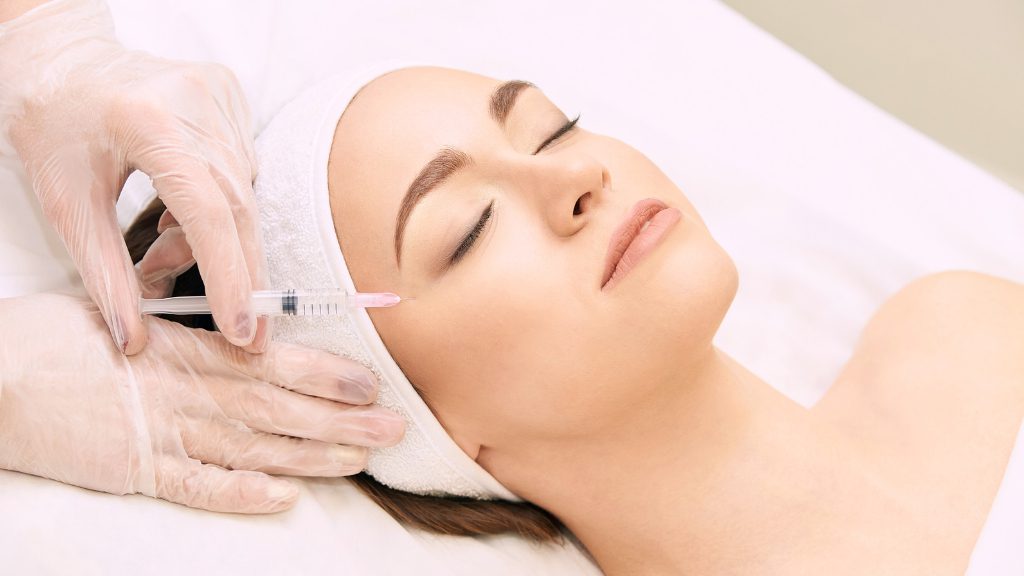
Rejuvenation therapy is a process of slowing the ageing process, improving skin quality, and supporting a genuinely youthful appearance. In an aesthetic context, this means low-invasive treatment that supports skin tissue in maintaining its youthful look, notably biostimulator injections and other regenerative treatments. In this article, we will explore what biostimulator injections actually are, and how they support long-lasting skin rejuvenation.
What are Biostimulator Injections and How Do They Work?
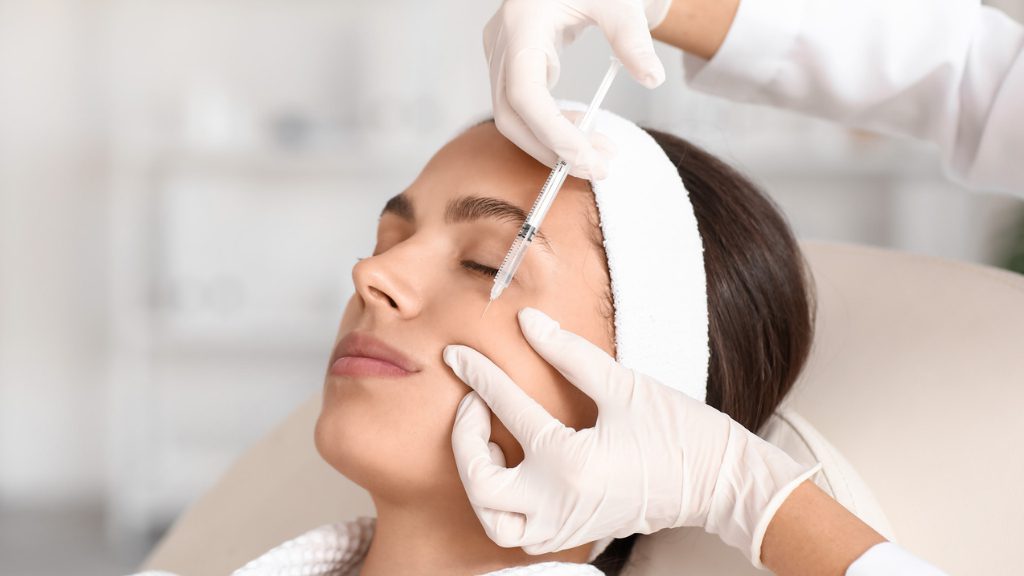
“Biostimulator injections” is a collective term for minimally invasive treatments used to stimulate the body’s own natural collagen production. These compounds are injected into the dermis, or the deeper layers beneath the epidermis, to stimulate fibroblasts, prompting them to continuously maintain collagen and elastin levels and thereby preserve a youthful complexion.
Why are Biostimulators Becoming So Popular?
Natural-Looking Enhancement
In line with modern trends, the field of aesthetic dermatology has moved away from prioritising treatments that yield rapid results. Instead, the rise of biostimulation-based procedures reflects a growing interest in sustainable rejuvenation and the pursuit of comprehensive, genuinely youthful-looking skin.
Rebuilding Underlying Structure
While fillers can help volumise areas depleted of tissue, biostimulator injections are the preferred choice for thickening the dermis and improving overall skin elasticity and quality.
Treatments like Sculptra build a structural foundation beneath the skin, providing a more robust support layer prior to undergoing other rejuvenation procedures, which is partly why many practitioners favour using a biostimulator before filler, allowing the underlying tissue to be properly rebuilt before any volume is added on top.
Fatigue With “Filler Pillow Face”
Due to their rapid volumising effect, fillers often produce a taut, glossy look that sometimes clashes with current aesthetic preferences for a natural appearance. The lockdown period changed customers’ perceptions of beauty: now, natural beauty with even skin tone, subtle wrinkles, and natural facial muscle movements is preferred, making biostimulation treatments a familiar service at cosmetic dermatology clinics.
This is precisely why clients are increasingly opting to use dermal fillers just to balance facial features, rather than relying on them primarily as a skin rejuvenation treatment.
Types of Biostimulator and Regenerative Treatments
Just like its name, biostimulator injections work by leveraging the body’s natural healing processes. When the skin sustains damage, this mechanism stimulates fibroblasts to produce collagen and elastin, two proteins that support skin cells and facilitate rapid wound healing. In addition to healing wounds, these two proteins play a crucial role in maintaining skin vitality, thanks to their ability to provide elasticity and support the skin’s natural structure.
Additionally, the injection of these stimulating agents triggers signals that prompt the continuous production of new collagen, thickening the dermis and helping to maintain a natural appearance over time.
| Treatment | Primary mechanism | Best suited to |
| PLLA (Sculptra and Juläine) | Stimulates fibroblast activity to generate new collagen gradually | Structural rebuilding, skin laxity, volume support |
| Platelet-rich plasma (PRP) | Stimulates natural healing processes using your own platelets | Skin elasticity, recovery from external damage like UV exposure |
| Polynucleotides | Supports tissue repair at a cellular level through fibroblast stimulation | Hydration, cellular-level regeneration, anti-inflammatory support |
| RF microneedling | Creates controlled micro-injuries to trigger the skin’s self-healing response | Texture improvement, collagen stimulation across broader areas |
PLLA in Sculptra and Juläine
Sculptra collagen stimulation works because PLLA stimulates fibroblast activity, prompting fibroblast activity that generates new collagen. This explains the gradual volume increase seen in treated areas over time. Sculptra is widely used for both facial and body treatment, addressing volume augmentation, body contouring, skin laxity, cellulite, and scarring. For more detail on how this process works, see our guide to collagen biostimulation treatment.
Sculptra and Juläine both use PLLA as their primary component, aiming at different depths depending on each patient’s skin. Sculptra has tended to be used to build structure in the dermis, whereas Juläine – a new refined form of PLLA, tends to be used closer to the surface skin, promoting the production of collagen and elastin to help the skin achieve a firm, youthful appearance.
Platelet-Rich Plasma (PRP)
Acting on the body’s own healing mechanisms, PRP is a minimally invasive injection therapy designed to stimulate natural healing processes. Additionally, PRP helps mitigate the adverse effects of external factors such as UV exposure, and improves skin elasticity, resulting in firmer skin. You can read more in our dedicated article on PRP facial treatment.
When the skin is damaged and inflammation is triggered, it leads to the breakdown of natural collagen by inflammatory molecules, contributing to the loss of collagen and elastin, or causing deformation of the skin’s surface structure. Sometimes, skin rejuvenation treatments are not just about promoting the growth of structural cells, but also about proactively protecting the skin from external inflammatory agents.
RF Microneedling
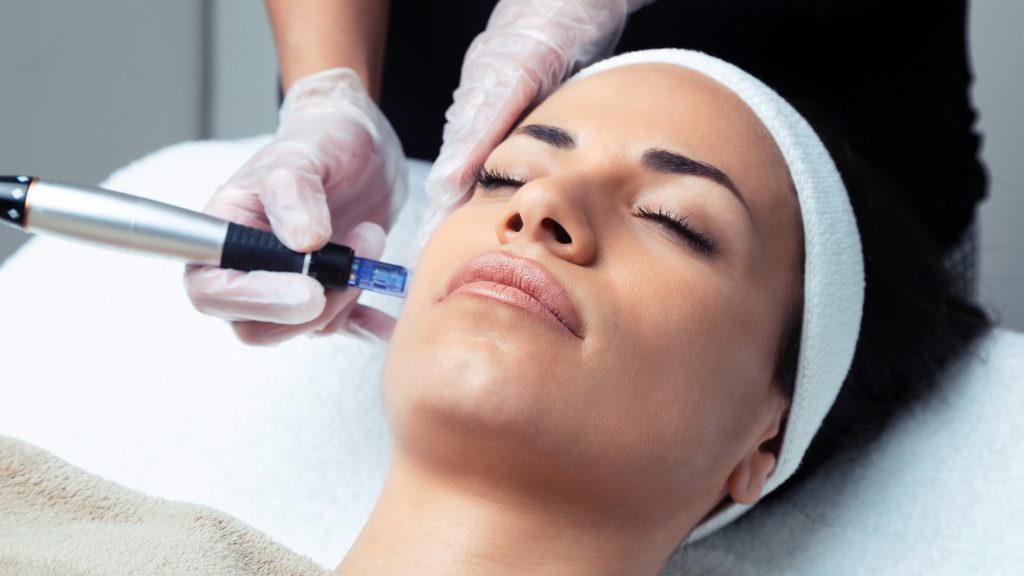
Unlike treatments that involve directly injecting active substances into the deep dermis, microneedling works by leveraging the skin’s natural healing mechanisms through the creation of microscopic injuries using tiny needles and thermal energy. The skin recognises these micro-injuries as requiring repair, thereby stimulating the self-healing process, depending on the severity of the wounds.
Microneedling is also used in combination with other therapies to effectively stimulate collagen production. The success of this treatment relies heavily on the practitioner’s skill in creating micro-injuries at the precise depth required to trigger the skin’s natural healing process.
Polynucleotides
Polynucleotides have rapidly become one of the fastest-growing regenerative treatments in aesthetic medicine. Rather than creating volume, they work by supporting tissue repair at a cellular level through fibroblast stimulation, improved hydration, and extracellular matrix regeneration. The multi-functional effects of polynucleotides are often applied to treat multiple skin conditions, in combination with other skincare treatments to simultaneously address various skin problems.
The biostimulators evidence base here is still emerging, but research has also demonstrated the anti-inflammatory and antioxidant properties of polynucleotides, making them a genuinely versatile treatment option in the field of skin rejuvenation.
Is There Any Best Rejuvenation Therapy?
In modern rejuvenation therapy, there’s no single best option, but rather depends on the concern you’re looking to address. The table below offers a general decision guide based on common skin concerns.
Each biostimulation product is designed to address a specific skin need. Administering products that are not functionally appropriate will significantly reduce their effectiveness, leading to unsatisfactory results. Therefore, instead of seeking a single comprehensive solution to address multiple problems, we need to objectively view anti-aging skin care as a holistic picture: a major problem is composed of many factors, and thus a combined treatment plan will be more suitable for overall skin improvement.
| Concern | Treatments to discuss |
| Skin laxity or crepey skin | PLLA, RF microneedling |
| Dull, dehydrated or tired skin | Polynucleotides, PRP, skin boosters |
| Texture or acne scars | Microneedling, PRP |
| Volume loss | Fillers, with biostimulators for support |
Each biostimulator and regenerative treatment offers a different effect, which is exactly why a personalised treatment plan that coordinates them into a cohesive approach brings significantly better results than relying on a single, separate treatment alone.
What is the Biostimulator Results Timeline?
Because biostimulator injections work with your body’s own collagen-production process rather than adding material directly, the biostimulator results timeline tends to unfold gradually rather than appearing immediately. Most patients begin noticing visible improvements in skin firmness and texture over several weeks, with fuller results continuing to build over the following months as collagen production steadily increases. This is part of what distinguishes genuinely long-lasting skin rejuvenation from a quick, temporary fix: the results take longer to appear, but they tend to hold for considerably longer once they do.
In addition, some treatments may not need to be performed continuously once the aesthetic goal has been achieved. If you need to even out skin texture damaged by post-inflammatory scarring, RF Microneedling is used to treat the skin texture. However, once the skin has achieved the desired evenness, microneedling may no longer be necessary, and other treatments can be applied to maintain the results more effectively.
What to Expect After a Biostimulator Injection Treatment?
A thorough consultation will instruct patients on the homecare needed afterwards to help minimise any adverse effects. It’s worth being aware of a few practical points before booking:
- Side effects: These can include bruising, swelling, and particularly with PLLA — the occasional development of nodules at the injection site.
- Who shouldn’t have treatment: This generally includes pregnancy, an active infection or certain skin conditions, autoimmune conditions, a keloid tendency, and, specifically for PRP, blood-thinning medication. Always have the clinic confirm your suitability during a proper consultation before booking.
- Cost and number of sessions: Because each treatment shows its effect over a different timeframe, a touch-up session is often necessary to maintain results over the long term. For example, to improve atrophic scars, RF microneedling treatments would need to be performed multiple times to break down the fibrous structure of the scar, then combined with treatments such as scar supplementation with dermal fillers or PRP facial treatment to stimulate the skin to produce more collagen and elastin during the healing process and repair micro-damage.
Have a Personalised Treatment Plan at Dr Michael O’Gorman’s Clinic
At Dr Michael O’Gorman’s clinic, biostimulator injections are notably one of the treatments used in anti-ageing treatment in London, often combined with other approaches to deliver the most satisfying results. Trusted as an aesthetic doctor in the Tatler Address Book, Dr Michael O’Gorman approaches the anti-ageing process with thorough consideration, balancing aesthetic approach with sound medical application.
With more than 30 years of medical practice, Dr Michael O’Gorman prioritises gradual but long-lasting revitalisation, rather than prompt, short-lived results. This helps patients not only achieve their desired aesthetic outcomes, but also enhance their wellbeing from within.
London Clinic Details
- Address: 19 Wimpole Street, Marylebone, London W1G 8GE
- Opening hours: Monday to Friday, 10 AM to 6 PM
- Booking: To book a holistic treatment and consultation with Dr Michael O’Gorman, message the clinic on +44 7588 385133 or book directly via the website.
Frequently Asked Questions
- How many sessions of Sculptra or other biostimulators do I need?
This varies depending on the treatment and your individual skin concerns, but most biostimulator protocols involve a short course of sessions spaced several weeks apart, allowing collagen production to build gradually rather than relying on a single appointment.
- Who shouldn’t have biostimulator treatments?
Biostimulator treatments generally aren’t suitable for pregnant individuals, anyone with an active infection or certain skin conditions, people with autoimmune conditions, those with a keloid tendency, or, specifically for PRP, anyone on blood-thinning medication. A consultation prior to treatment will confirm your individual suitability.
- Does PRP for the face really work?
Yes. PRP works by stimulating the skin’s own natural healing processes, using platelets drawn from your own blood to support collagen production and improve skin elasticity, with a growing body of clinical evidence supporting its use in facial rejuvenation.