

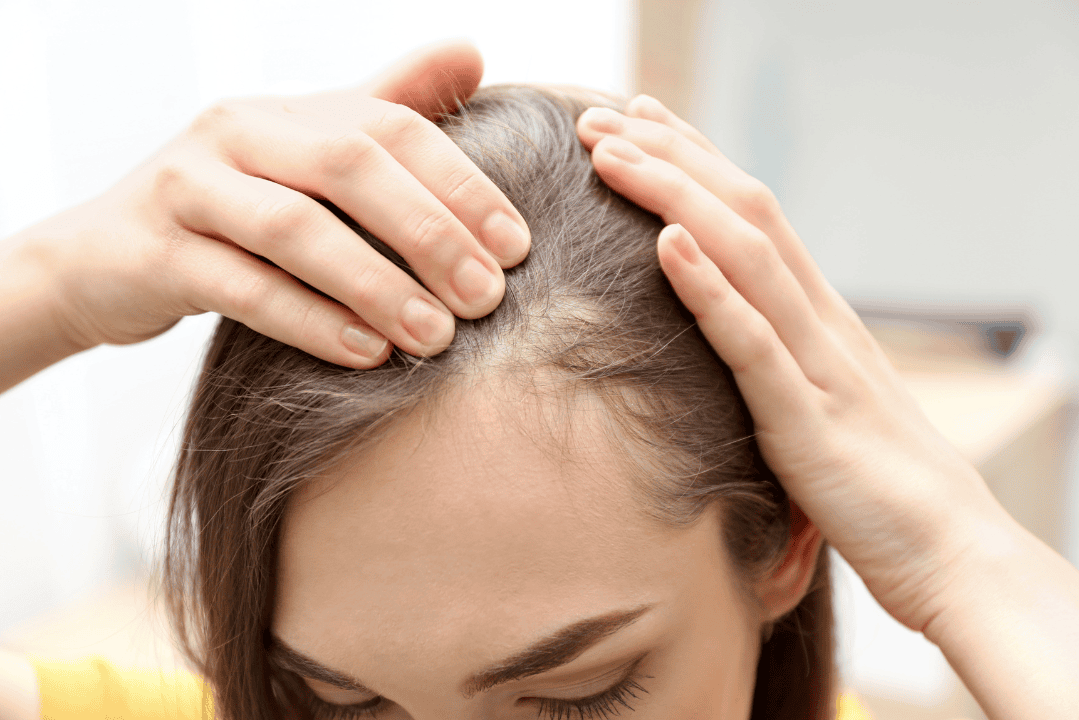
Hair loss is becoming increasingly common among both men and women across London. Long working hours, chronic stress, hormonal changes, nutritional factors, and environmental exposure may all contribute to progressive thinning over time. At the same time, many patients are overwhelmed by aggressive marketing from unregulated clinics promising unrealistic results.
This medically grounded guide explains the main evidence-based hair loss treatments available in London, expected results timelines, and what patients should realistically expect from medically supervised hair restoration care.
Hair Loss Issues Among London Residents in 2025–2026
Hair loss concerns continue to rise across London among patients of different ages, ethnicities, and lifestyles. Men commonly present with genetic hairline recession or crown thinning, while women increasingly seek support for postpartum shedding, menopause-related thinning, PCOS-associated hair loss, and stress-related shedding linked to demanding modern lifestyles.
At the same time, London has seen rapid growth in cosmetic hair clinics offering poorly regulated treatments without proper medical assessment, scalp analysis, or long-term management planning. Many patients are exposed to unrealistic marketing claims, low-quality regenerative products, or generic treatment protocols that fail to address the underlying biological cause of hair loss.
What Causes Hair Loss & Why Management Must Be Personalised
Hair loss is not a single condition. Multiple hormonal, inflammatory, genetic, and lifestyle-related factors may contribute to progressive thinning, and effective hair loss treatment depends on identifying the underlying cause. One of the most common causes is androgenetic alopecia, also known as male or female pattern hair loss, where follicles gradually miniaturise over time due to hormonal sensitivity.
Common causes of hair loss may include:
- Male and female pattern hair loss
- Postpartum hair shedding
- PCOS-related thinning
- Menopause-related hair loss
- Stress-induced telogen effluvium
- Post-COVID hair shedding
- Hair loss linked to GLP-1 weight-loss medications
- Nutritional deficiencies and inflammatory scalp conditions
Hair loss management depends heavily on whether follicles remain active, dormant, inflamed, miniaturised, or permanently lost. Dr Michael O’Gorman is a medically trained hair loss specialist providing personalised hair loss consultations in London focused on accurate diagnosis, regenerative treatment planning, and long-term follicle preservation.
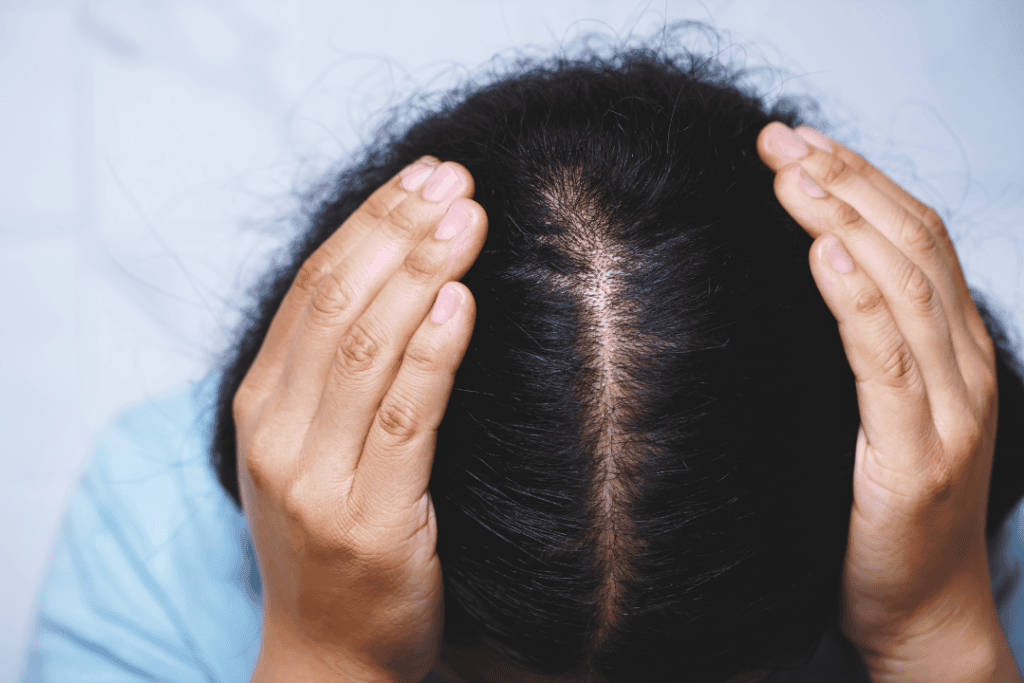
What Happens During a Hair Loss Consultation with Dr Michael O’Gorman?
Dr Michael O’Gorman personally conducts all hair loss consultations, either face-to-face at his Marylebone clinic or via video consultation for suitable patients. The consultation focuses on identifying the underlying cause of thinning, assessing scalp health, and predicting future hair loss progression using family history, current hair patterns, and recognised classification systems such as the Norwood and Ludwig hair loss scales.
Assessment may include:
- Full medical and family history
- Hair and scalp examination
- Magnified scalp assessment
- Blood testing where appropriate
- Hormonal, nutritional, and lifestyle review
- Assessment using the Norwood or Ludwig hair loss scales
- Review of previous treatments and response
Following assessment, Dr O’Gorman creates a personalised treatment plan which may include medications, PRP therapy, polynucleotides, exosomes, LED light therapy, or referral for hair transplantation depending on scalp health, follicle viability, and long-term hair restoration goals.
Regenerative Non-Surgical Hair Loss Treatments Offered by Dr O’Gorman
Dr Michael O’Gorman offers a range of regenerative and medically guided hair loss treatments in London tailored to the underlying cause and stage of hair thinning. Depending on scalp health, follicle viability, and long-term progression risk, personalised treatment plans may include topical therapies, nutritional supplements, prescription medications, PRP injections, polynucleotides, exosome therapy, LED light therapy, and referral for hair transplantation where appropriate.
PRP Injections for Hair Restoration
Platelet-rich plasma (PRP) therapy uses concentrated growth factors derived from the patient’s own blood to support follicular activity, scalp circulation, and hair thickness. At Dr O’Gorman’s London clinic, PRP injections are delivered into targeted scalp areas to help reduce shedding and support healthier hair growth.
PRP hair restoration may benefit men and women experiencing early male or female pattern hair loss, postpartum shedding, stress-related thinning, or diffuse hair loss linked to demanding London lifestyles. Most patients require multiple sessions, with reduced shedding often developing within 2–3 months and thicker hair gradually developing over 3–6 months.
Scalp Polynucleotide Therapy
Scalp polynucleotide therapy uses highly purified DNA fragments to support tissue repair, reduce scalp inflammation, and improve the environment surrounding weakened hair follicles. At Dr O’Gorman’s London clinic, polynucleotide injections are used within regenerative hair restoration protocols designed to improve scalp quality and long-term follicular resilience.
The treatment may be particularly suitable for menopause-related thinning, inflammatory scalp conditions, stress-induced shedding, fragile follicles, and textured or ethnic hair requiring gentler regenerative support. Improvement develops progressively over several sessions and is often combined with PRP, exosomes, prescription therapies, or LED light therapy for enhanced regenerative benefit.
Scalp Exosomes — AnteAGE MDX® Biosome Hair Solution
Exosome therapy using AnteAGE MDX® Biosome Hair Solution is an advanced regenerative hair loss treatment containing signalling molecules and growth factors that support follicular repair, scalp regeneration, and cellular communication. At Dr O’Gorman’s London clinic, exosome therapy may be combined with microneedling and complimentary red or near-infrared LED light therapy.
Exosome hair restoration may benefit patients experiencing early pattern hair loss, postpartum shedding, hormonal thinning, stress-related hair loss, or scalp ageing linked to pollution and busy urban lifestyles. Early scalp quality improvement may develop relatively quickly, while visible density improvement often becomes more noticeable from around 3 months onward.
>>> Learn more about Weight Loss Management for a personalised approach to improving wellbeing, confidence, and lifestyle balance.
FUE Hair Transplantation & Concierge Service
Dr Michael O’Gorman does not personally perform FUE hair transplantation surgery. However, he provides assessment, treatment planning, and referral guidance for patients considering surgical restoration as part of a broader hair management strategy.
FUE (Follicular Unit Extraction) is an advanced hair transplant technique involving micro-extraction of individual follicular units without scalpel surgery or strip removal. This allows natural follicular placement with minimal visible scarring and more natural-looking hairlines. FUE may be suitable for men experiencing genetic or stress-related hair loss and women managing postpartum thinning, menopause-related hair loss, PCOS-associated thinning, or progressive hormonal shedding.
Costs of Hair Loss Treatments with Dr O’Gorman
Hair loss treatment pricing in London reflects clinic location, medical expertise, treatment complexity, and increasing demand for regenerative hair restoration therapies. PRP therapy usually involves a course of 4–6 treatments, while polynucleotide and exosome protocols are typically performed over several months depending on the severity of thinning and treatment goals.
Typical pricing structures may include:
- PRP: protocol-based pricing varying between London and Melbourne clinics
- Polynucleotides: treatment scheduled over approximately 8 months depending on ml volume and treatment frequency
- Exosomes (AnteAGE MDX®): premium regenerative treatment usually performed as a 3-session protocol
- FUE hair transplant referrals: external surgical pricing, commonly ranging from approximately £2,500–£7,000+ in London
Total treatment cost depends heavily on personalised treatment planning and long-term maintenance requirements.
Results Timeline, Before/After Expectations & Limitations
Hair restoration treatments require patience because follicles respond gradually over time. Early improvement often involves reduced shedding before visible density changes become noticeable.
With PRP treatment, many patients notice less shedding within 2–3 months and gradual thickening over approximately 3–6 months. Polynucleotide therapy generally produces progressive improvement over several sessions and often achieves stronger regenerative effects when combined with PRP or exosomes. Exosome therapy may improve scalp quality relatively early, with visible density changes commonly developing from around 3 months onward. Following FUE transplantation, new growth often begins around 3–4 months, while fuller maturation may take approximately 12 months.
Choosing a Hair Loss Clinic in London — Essential Questions to Ask
Choosing a hair loss clinic should involve more than comparing pricing or social media marketing. Hair loss is a medical condition that requires accurate diagnosis before treatment selection.
Patients should ask whether the clinic provides:
- Medically led assessment rather than cosmetic-only consultation
- Diagnostic tools such as densitometry, photography, blood testing, or hormonal testing
- Both regenerative and medical treatment options
- Long-term maintenance planning
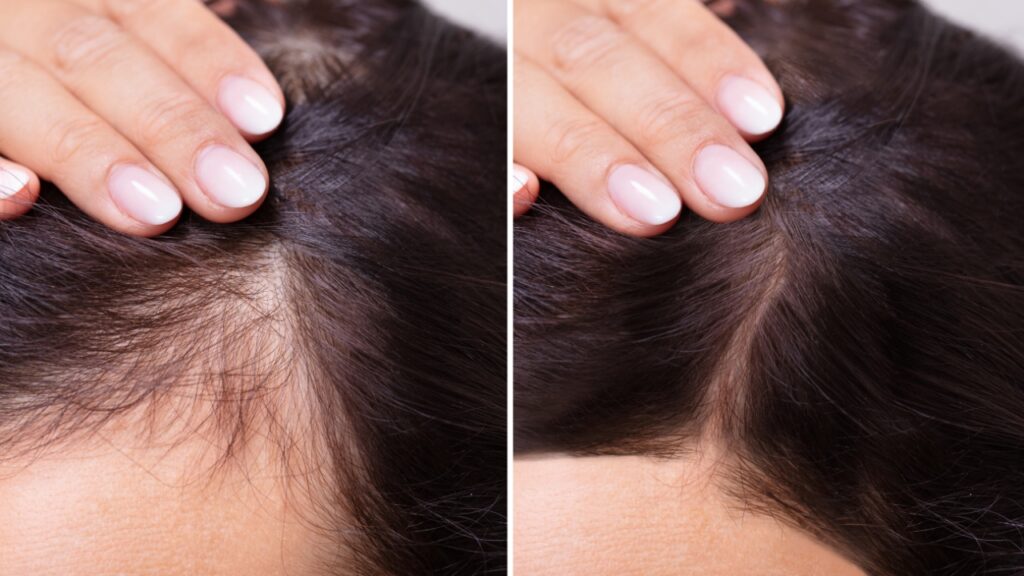
- Real patient case studies and before-and-after images
A personalized approach is particularly important within London’s diverse patient population, where hair texture, scalp sensitivity, hormonal patterns, and ethnic hair characteristics may vary significantly.
Evidence-Based Hair Loss Management in London
Hair loss is often manageable when medically assessed at an early stage. Successful treatment depends on identifying the underlying cause, preserving active follicles, and maintaining long-term scalp health through personalised and evidence-based care.
Dr Michael O’Gorman provides medically supervised hair loss consultations in London focused on accurate diagnosis, regenerative treatment planning, and realistic long-term management strategies tailored to each patient’s hair profile and future progression risk.
London Clinic Details
- Address: 19 Wimpole Street, Marylebone, London W1G 8GE
- Opening hours: Monday to Friday, 9 AM to 6 PM
- Booking: Consultations and quotes are available upon request. Visit the clinic website or call +447588385133 to schedule your polynucleotide appointment in London.
Frequently Asked Questions (FAQs)
What Is the Best Therapy for Hair Loss?
There is no single treatment suitable for every type of hair loss. The best therapy depends on whether thinning is caused by genetics, hormones, inflammation, stress, or temporary shedding. Many London patients benefit from combination approaches involving PRP, exosomes, medications, or regenerative scalp therapy.
Can PRP Regrow Hair in Female Pattern Hair Loss?
PRP may help improve hair thickness and reduce shedding in some women with female pattern hair loss, particularly when treatment begins early. In London clinics, PRP is commonly combined with regenerative therapies for broader follicular support.
What Is the Best Treatment for Black Male Hair Loss?
Treatment depends on the underlying cause of hair loss and scalp health. Black male patients may require specialised assessment because traction alopecia, inflammatory conditions, and textured hair characteristics can influence treatment selection and follicular preservation strategies.
What Can I Do for Postpartum Hair Loss?
Postpartum shedding is common after pregnancy and often improves gradually over time. However, some women benefit from medically supervised regenerative treatment when shedding becomes prolonged, severe, or associated with underlying nutritional or hormonal factors.
Does Menopause Cause Permanent Hair Loss?
Menopause-related hormonal changes may contribute to progressive thinning and reduced hair density. Early regenerative and medical treatment may help slow progression, improve scalp quality, and support long-term follicular preservation.