

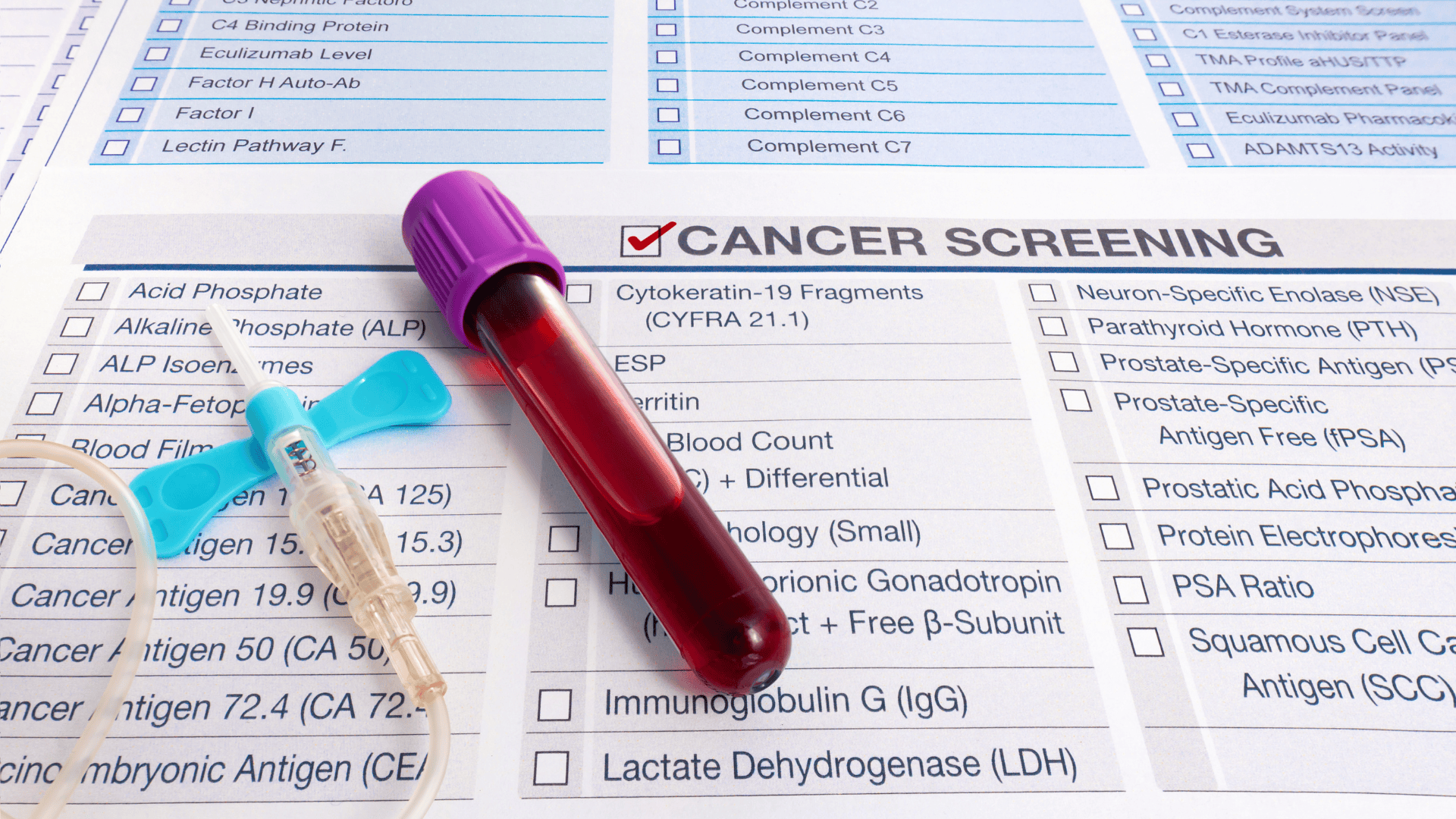
If you’ve had a TruCheck test and you’re looking at your report, two abbreviations tend to jump out: CTC and SoC, with CTC stands for circulating tumour cells – the actual cells the test is looking for in your blood sample and SoC stands for “standard of care”, referring to the established diagnostic investigations your doctor may recommend after a concerning screening result. This is fundamental information you should know about to raise questions while consulting with doctors afterward.
SoC isn’t another molecule or a second score detected by the test, it’s the follow-up plan, not part of the blood analysis itself. With that sorted, let’s go through what CTC and SoC in TruCheck mean for you in practice.
What Are Circulating Tumour Cells (CTCs)?
Circulating tumour cells are cells that have broken away from a solid tumour and entered the bloodstream. They can travel as single cells or as small clusters, and biologically they’re quite different from the ordinary blood cells that make up most of a standard sample, which consists of red cells, white cells, and platelets.
Finding CTCs in a blood sample can point towards a cancer-associated process happening somewhere in the body. It’s a signal that needs further work to confirm, as not every cancer sheds detectable CTCs at every stage, so their absence doesn’t automatically mean everything’s clear.
How TruCheck Looks For CTCs
The process starts with a standard blood draw, much like any other blood test. From there, the sample goes through specialised laboratory processing designed to enrich these rare, non-blood cells, essentially separating out unusual cells from ordinary cells they’re mixed in with.
The lab then uses a technique called immunocytochemistry to identify them. This involves fluorescent antibodies that bind to specific protein patterns associated with tumour cells, while excluding normal white blood cells from consideration. The cells are then examined using quantitative fluorescence microscopy; this is essentially how the lab measures and confirms what it’s looking at under controlled conditions.
Where cells are identified, the particular pattern of markers they carry can help support a classification of malignancy type, and in some cases, a likely tissue or organ of origin too.
What Does A CTC Result Mean?
CTCs Not Detected
If no CTCs are found above the laboratory’s detection threshold, this lowers the likelihood of a covered, detectable malignancy being present at the time of testing. It’s a reassuring outcome, but it doesn’t rule out all cancer everywhere in the body. Routine screening and prompt assessment of any symptoms should continue regardless.
CTCs Detected
A positive CTC blood test result is suggestive of malignancy, and it may trigger a reflex analysis to try to establish the likely type and tissue of origin. It’s important to understand this as a screening signal, not a pathology-confirmed diagnosis. The next step is a clinician-led standard of care work-up, with proper diagnostic testing, guided by a doctor.
CTCs Detected But Origin Indeterminate
Sometimes cells meet the criteria for detection, but their marker pattern doesn’t localise clearly enough to suggest a specific tissue or organ. In this case, the report may recommend a repeat sample and clinical review.
It’s also worth noting that an indeterminate result isn’t the same thing as a false positive: while false positive means a failure of detecting potential tumours, an indeterminate result would need more information before anything further can be said, and it deserves proper follow-up rather than being written off.
What Do “Tissue Of Origin” And “Organ Of Origin” Mean?
The broad malignancy category, such as adenocarcinoma or squamous cell carcinoma describes the type of tissue involved, while the organ of origin points to the specific probable anatomical location the cells likely came from.
Localisation is useful because it narrows down the diagnostic pathway considerably. It tells your doctor where to look first, but it still has to be confirmed through imaging and, where relevant, tissue diagnosis. It’s also noticeable that not every positive or indeterminate sample can be localised to a specific organ; sometimes the pattern simply isn’t clear enough.
What Does SoC Mean In A TruCheck Report?
SoC stands for standard of care. In this context, it refers to the accepted diagnostic steps that get selected based on your TruCheck test result, the suspected organ involved, your symptoms, a clinical examination, and your overall risk profile.
Depending on what’s suggested, standard of care work-up might include things like targeted MRI, CT, ultrasound, endoscopy, mammography, organ-specific blood tests, or a referral to the relevant specialist. In some cases, a biopsy or pathology review will be needed to actually confirm cancer and establish its type, grade, and what that means for treatment.
There’s no single fixed sequence of scans that applies to every positive result, the exact pathway is genuinely personalised, built around what your report and clinical picture point towards.
Why Standard-Of-Care Follow-Up Helps You Understand CTC and SoC in TruCheck Test
Screening tests exist to identify people who may benefit from a closer look. They were never designed to replace diagnostic testing outright. Anatomical imaging helps locate a specific lesion, while pathology is what actually confirms whether cells or tissue are malignant.
Proper follow-up reduces two opposite risks at once: false reassurance from skipping investigation altogether, and premature or overly-alarmed conclusions drawn from a screening signal alone. A doctor’s role here is to weigh urgency against the potential downsides of unnecessary or poorly targeted testing.
CTCs Vs ctDNA Vs Tumour Markers
It’s easy to lump all these blood-based cancer tests together, but they’re measuring genuinely different things.
| Test type | What it measures |
| CTCs | Intact cells shed from a tumour into the bloodstream, which can be profiled using cellular markers |
| ctDNA | Fragments of tumour-derived DNA circulating in plasma; different tests assess specific mutations or methylation patterns |
| Tumour markers | Proteins or other substances measured in the blood, typically used in selected, cancer-specific clinical contexts |
| Routine blood tests | Blood cell counts and organ function; may prompt further investigation but aren’t designed as general cancer detectors |
What Happens After A Positive CTC Finding?
If your result comes back positive, here’s roughly what the pathway looks like:
- A post-result consultation, where your doctor explains the finding, the likely origin (if suggested), and the genuine uncertainty involved.
- Risk-led standard of care imaging or specialist tests, chosen based on your specific result and clinical picture.
- A biopsy or other confirmatory procedure, if a suspicious lesion is actually found on imaging.
- A documented follow-up plan, agreed with you, if initial investigations don’t identify a cancer straight away.
- Clear safety-netting advice: after check up, you’re told plainly to report any new symptoms immediately, rather than waiting for the next scheduled screening round.

Questions To Ask During Your Results Consultation
A results consultation is worth going into with a few questions ready. It’s entirely reasonable to ask some questions to understand the result better:
- Were CTCs detected above the laboratory threshold?
- Was a tissue or organ of origin suggested, and how confident is that interpretation?
- What standard of care investigation is being recommended first, and why that one specifically?
- What are the possible false-positive and false-negative limitations of this result?
- What happens next if imaging comes back normal?
- When should I seek urgent medical attention, regardless of any planned follow-up?
Asking these directly tends to make the whole process less vague, as not everyone understands the statistics presented to them. Usually, a patient-friendly interpretation would help patients understand their report better.
At our Marylebone clinic, Dr Michael O’Gorman offers personalised TruCheck consultations, guiding you through every result with clarity and care, and helping you plan the right next steps with confidence. Make a booking with us and let us guide you through the wellness journey, maintaining your health and enjoy the fulfilled life ahead.
Frequently Asked Questions
- Are CTCs always a sign of cancer? Not necessarily on their own. CTC detection is a screening signal associated with a possible cancer process, but it needs standard of care follow-up before a diagnosis can be confirmed.
- Can CTCs show where cancer started? Sometimes. The marker pattern on detected cells can suggest a probable tissue or organ of origin, though this isn’t possible in every case and always needs imaging or tissue confirmation.
- Is SoC another part of the blood test? No. SoC stands for standard of care and refers to the follow-up diagnostic investigations recommended after a result; it isn’t a second molecule or score measured in the blood sample itself.
- Does a positive CTC result confirm cancer? No. It’s suggestive of malignancy and needs clinician-led diagnostic work-up, which may include imaging and biopsy, before anything is confirmed.
- What is the difference between CTCs and ctDNA? CTCs are whole, intact tumour cells circulating in the blood, while ctDNA refers to fragments of tumour-derived DNA in the plasma.
- Why might imaging be negative after CTCs are detected? Screening and diagnostic tests look for different signals using different thresholds, so a positive CTC finding and a clear scan aren’t necessarily contradictory. From here, your doctor may recommend further review or repeat testing in this situation.
London Clinic Details
- Address: 19 Wimpole Street, Marylebone, London W1G 8GE
- Opening hours: Monday to Friday, 10 AM to 6 PM
- Booking: To book a TruCheck screening consultation with Dr Michael O’Gorman, make your booking online or whatsapp message on +44 7588 385133.