

Getting your TruCheck test results back can feel like a big moment, and there are three possible outcomes: negative, positive for malignancy, or indeterminate. Before we go through each one, it’s worth being upfront about something important: TruCheck is a screening test, not a diagnostic one.
If you are eligible to take the TruCheck test, understanding the information appears in a report is vital to monitor your health. That means no result on its own should be read as a confirmed cancer diagnosis, and no result is a complete guarantee that cancer is absent. With that in mind, let’s walk through what your TruCheck test results actually tell you, and what to do next.
What Information Appears In A TruCheck Test Result?
Your TruCheck report is built around a few key pieces of information:
- Overall result category — negative, positive, or indeterminate.
- Whether circulating tumour cells were detected above the laboratory’s detection threshold.
- Possible malignancy type, such as an epithelial malignancy category, where the analysis supports this level of detail.
- Probable tissue or organ of origin, where the lab has been able to localise the signal.
- A summary of the immunocytochemistry markers used, along with the laboratory’s interpretation.
- Advice to consult a physician and complete any standard-of-care investigations where these are indicated.
It’s a fair amount of information, and it’s easy to feel a bit lost reading it alone. It helps you know what you’re looking at before that conversation happens, but having a post-consultation is vital to understanding the statistics laying in front of you. There are three common results: negative, positive, and Indeterminate results.
What Does A Negative TruCheck Result Mean?
A negative TruCheck result means no circulating tumour cells were detected above the test’s threshold in your sample. It’s good news, and it points to a lower likelihood of a detectable, covered malignancy at the time you were tested; however, it’s not the same as “zero cancer risk”.
There are a few reasons cancer could still be present despite a negative result:
- The cancer type may not be one TruCheck is designed to cover, such as blood-related cancer.
- The tumour may not be shedding cells into the bloodstream in a detectable way.
- The number of circulating tumour cells may simply be below the laboratory’s detection threshold.
- Cancer may develop after your sample was taken.
Because of this, a negative result isn’t a reason to step back from your usual healthcare. Keep attending NHS screening, keep up routine medical care, and get any new symptoms checked promptly, regardless of what your last TruCheck report said. For some patients, annual repeat screening may be worth discussing, but that’s an individual decision to make with the clinic.
What Does A Positive TruCheck Result Mean?
A positive TruCheck result means circulating tumour cells were detected, and the finding is suggestive of malignancy. Where possible, the reflex analysis may also point towards a likely malignancy type and tissue or organ of origin, which helps shape what happens next.
However, TruCheck’s positive cancer blood test result is not a definitive diagnosis. It’s a signal that needs following up, typically through imaging, organ-specific testing, and sometimes a biopsy. TruCheck false positives are a genuine possibility too as no screening test is perfect, and a positive finding always needs a clinically guided work-up before any real conclusions are drawn.
If you receive a positive result, it’s not the worst-case conclusion unless you’ve had that follow-up conversation. It’s understandably unsettling, but the response should be timely action, including booking the right consultation and next tests to determine the risk of actually having cancer.
What Does An Indeterminate TruCheck Result Mean?
An indeterminate TruCheck result sits in its own category. It means circulating tumour cells were detected, but the laboratory wasn’t able to determine the malignancy type or the organ of origin with enough confidence to report it definitively.
This is genuinely different from a negative result, and it’s not a confirmed diagnosis either. Depending on the clinic’s current protocol, this may mean recollecting a sample or repeating the test after a set interval; it’s worth confirming exactly what applies to you at your consultation, as this can change. From there, your clinical context, including your symptoms, risk factors, and any other relevant tests, will help guide what happens next.
What Does “Probable Organ Or Tissue Of Origin” Mean?
When circulating tumour cells are found, the laboratory may look at the marker patterns on those cells to suggest where they most likely came from. This is genuinely useful information, because it can help direct your follow-up towards the most relevant imaging or the right specialist referral.
The TruCheck organ of origin finding is a strong clue, not a diagnosis in itself, and the suggested organ still needs to be properly investigated using standard diagnostic methods before anything is confirmed one way or the other.
How Accurate Is A TruCheck Result?
Two terms come up a lot when people ask about accuracy: sensitivity and specificity. Understanding their differences help you understand why accuracy varies between tests.
- Sensitivity is how well the test picks up cancer when it’s genuinely there.
- Specificity is how well the test correctly identifies people who don’t have cancer.
Neither of these numbers translates into certainty for anyone. It’s also worth knowing that test performance isn’t fixed; it can vary depending on the type of cancer, the stage it’s at, and the population being tested.
Next Steps After Each Result
Here’s a simple breakdown of what typically happens next, depending on your result.
| Result | Typical next steps |
| Negative | Review with your doctor; continue routine and NHS screeningreport any new symptoms promptly; consider future screening only if it’s clinically appropriate for you |
| Positive | Prompt doctor review; targeted standard-of-care imaging or tests; specialist referral where needed; Further actions: biopsy if indicated; ongoing support throughout |
| Indeterminate | Doctor review; confirmation of the repeat-sample protocol. risk-led further investigations where relevant, the result should never be assumed to be benign or treated as diagnostic |
What Happens During The Post-Result Consultation?
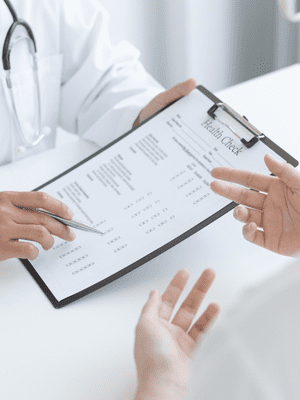
Whatever your TruCheck test results show, you’ll go through them properly with your doctor rather than just reading a cold report. This consultation typically covers:
- Going through the report line by line, in the context of your medical history, family history, and current health.
- Explaining your result category, any organ-of-origin finding, and what the report can and can’t tell you.
- Deciding together whether the right next step is no immediate action, a repeat test, targeted imaging, or a specialist referral.
- Giving you a written plan, safety-netting advice, and a clear way to get in touch if anything changes or you have questions.
What If Imaging Doesn’t Find Cancer After A Positive Result?
This can happen, and it’s worth understanding why before it feels alarming. Screening and diagnostic tests work in different ways and pick up different biological or anatomical signals, a positive circulating tumour cells result and a clear scan aren’t necessarily contradictory.
In this situation, your care team may recommend a multidisciplinary or specialist-led plan, which could include a closer look at the suspected organ, alternative imaging, repeat testing, or a period of monitored observation. It’s worth checking the clinic’s current terms around imaging support, repeat testing, and any associated costs or timelines directly, as these can be updated.
Common Result-Interpretation Mistakes To Avoid
A few misunderstandings come up often enough that they’re worth flagging directly:
- Assuming a positive result means a confirmed cancer diagnosis. You should treat the TruCheck result as a source of information for a broader picture, not a comprehensive and only test result.
- Assuming a negative result means you’re completely cancer-free.
- Stopping breast, bowel, cervical, lung, or other recommended screening because of a TruCheck result.
- Ignoring new symptoms because a previous result was negative.
- Booking your own scans without clinical guidance.
- Sharing raw laboratory terminology online or with others instead of discussing it with your treating clinician first.

Have a Consultation with Dr Michael O’ Gorman
At our Marylebone clinic, TruCheck is a screening tool designed for proactive health protection, which aims at maintaining wellbeing from within. While attending the TruCheck test, below is the process, aiming for a thorough preliminary assessment:
- Pre-test consultation: You will have a consultation with Dr Michael O’Gorman, covering your medical history, family history, current symptoms (if any), relevant risk factors, and informed consent.
- Blood sample collection followed by secure transport to the laboratory for analysis.
- CTC analysis: the laboratory examines the sample for circulating tumour cells.
- Results consultation: typically around three weeks after your sample is taken, subject to laboratory turnaround times.
Have a chat and monitor your health better with excellent care at Dr. Michael O’ Gorman’s clinic, here in London.
Frequently Asked Questions
- Does a positive TruCheck result mean I have cancer? No. A positive result suggests a higher likelihood of malignancy, but it needs to be confirmed through imaging, further tests, and sometimes a biopsy before any diagnosis can be made.
- Can a negative TruCheck result miss cancer? Yes. A negative result lowers the likelihood of a detectable, covered cancer at the time of testing, but it doesn’t rule cancer out completely.
- What is an indeterminate result? It means circulating tumour cells were found, but the lab couldn’t confidently determine the malignancy type or organ of origin — it usually leads to a repeat sample or further clinical review.
- How reliable is the reported organ of origin? It’s a probable, not definitive, finding based on marker patterns on the detected cells, and it still needs to be confirmed through standard diagnostic investigation.
- What scans are needed after a positive result? This depends on the suggested organ of origin and your individual clinical picture, and will be recommended by your doctor as part of your follow-up plan.
- How long do TruCheck results take? Results are typically available a few weeks after your blood sample is taken, though exact turnaround can vary — confirm the current timeframe when you book.
- Should TruCheck be repeated after a negative result? It can be, for some patients, but this is an individual decision to make with your clinician rather than an automatic requirement.
London Clinic Details
- Address: 19 Wimpole Street, Marylebone, London W1G 8GE
- Opening hours: Monday to Friday, 10 AM to 6 PM
- Booking: To book a TruCheck screening consultation with Dr Michael O’Gorman, make your booking online or whatsapp message on +44 7588 385133.