

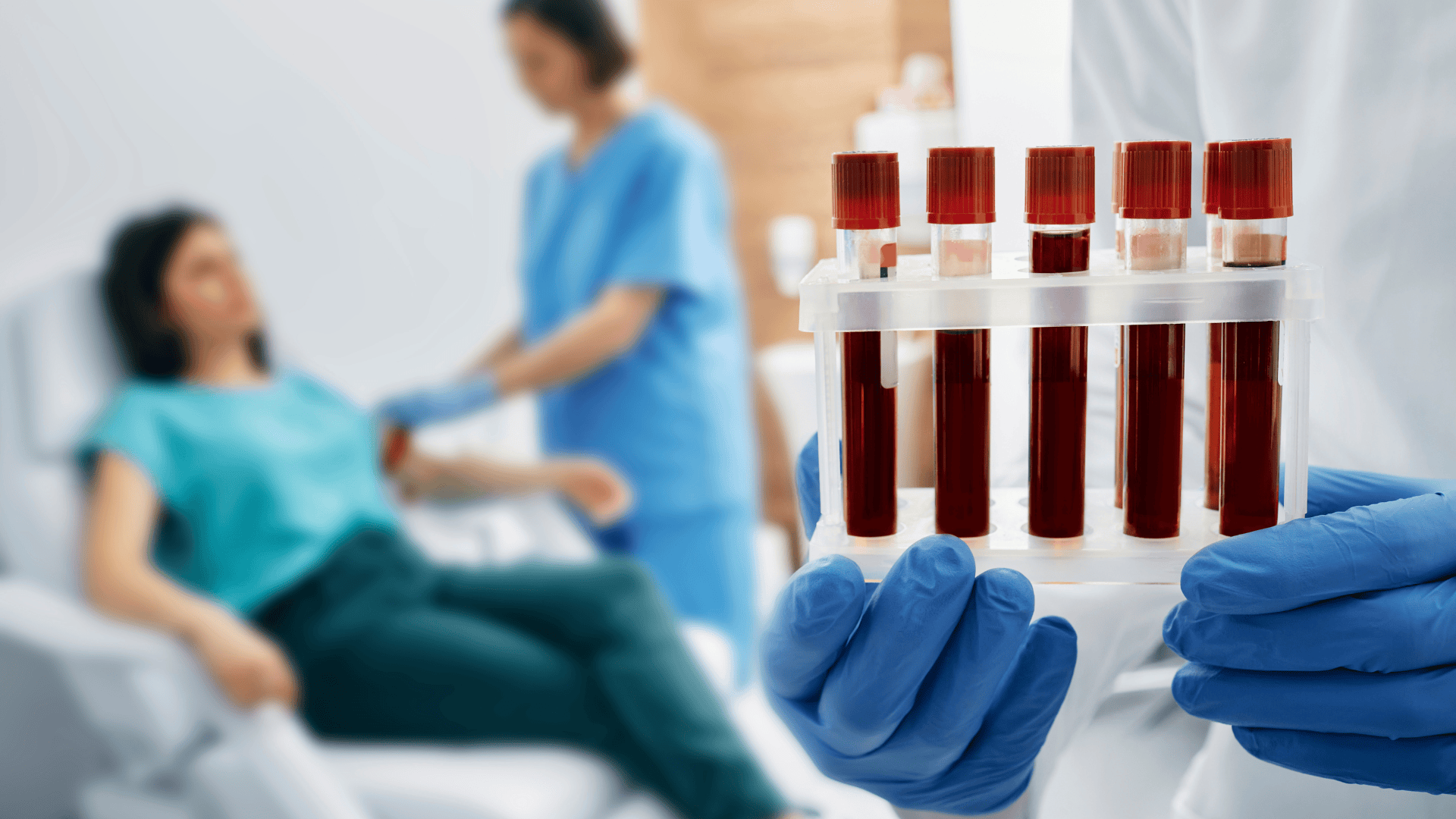
If you’ve been reading about multi-cancer screening and wondering whether it’s something for you, you’re not alone, it’s one of the questions we get asked most at the clinic. In short, TruCheck is generally aimed at adults over 40 who are currently well, have no symptoms, and haven’t previously been diagnosed with or treated for cancer. It’s not designed to detect symptoms promptly, and it’s not a replacement for a proper diagnostic work-up or the screening programmes you’re already invited to.
Beyond that broad answer, there’s a fair bit of information worth understanding before you decide to take the TruCheck test. In this article, let’s unfold what TruCheck is, and its application in modern clinics as a preliminary source of information for cancer screening.
TruCheck Eligibility At A Glance
Before we get into the details of who should take the TruCheck test, here’s a quick snapshot of where most people tend to fall.
| Category | Who this covers |
| Generally suitable to discuss | Asymptomatic adults over 40, interested in proactive screening, happy to follow up on results, and comfortable with the test’s limitations |
| Needs individual clinical review | Under 40 with a strong family or genetic risk, a complex medical history, or noticeable anxiety about screening |
| Usually unsuitable for TruCheck | Anyone with current cancer symptoms, a clinical or radiological finding that needs investigating, a current or previous cancer diagnosis, or pregnancy in sight. |
What Is The TruCheck Test Actually Designed For?
TruCheck Intelli is a multi-cancer blood screening test built for people who feel perfectly well and have no reason to suspect anything’s wrong. It works by looking for circulating tumour cells in a blood sample by detecting cells that solid tumours can shed into the bloodstream, sometimes well before any symptoms show up. Where these cells are found, the lab may also be able to suggest a likely tissue or organ of origin, which can help point any follow-up procedure in the right direction.
Although TruCheck is a modern screening process that could signal early detection of cancer, it’s best to think of this as a starting point. It’s an additional screening option, not a diagnostic test, and not a stand-in for the screening you’re already entitled to through the NHS.
Who May Be Suitable For The TruCheck Test?
Asymptomatic Adults Over 40
The primary customers of TruCheck are asymptomatic adults, meaning adults over 40 with a normal health history who want to take care of themselves through screening tests.
As you age, cancer risk generally rises, and 40 is often used as a benchmark for frequent screening to detect any abnormal symptoms. However, age alone doesn’t tell the whole story, but certain factors such as family history, lifestyle, and eating habits could contribute to the whole picture. This is why post-consultation matters.
If you have no unexplained lumps, no unusual bleeding, no persistent pain or unexplained weight loss, TruCheck is recommended to monitor your health via blood tests. If you experience any symptoms listed above, please see a GP directly rather than booking a screening test.

People Seeking Proactive Multi-Cancer Screening
With an ability to detect cells associated with more than 70 different solid organ cancers, this test tends to appeal to people who want a wider view of their health than the single-cancer programmes. A broader coverage isn’t the same as complete coverage, and no test picks up every cancer type at every stage.
It’s vital to remember that TruCheck is a screening process, not a final diagnosis that can determine if you have cancer or not. False positive and negative test results could happen during the process, so further tests should be conducted before any official statement is made.
People With A Family History Of Cancer
Family history screening deserves its own conversation. Having relatives who’ve had cancer can raise your personal risk, but that doesn’t automatically make TruCheck the right or only test for you.
Multi-cancer screening is quite different from genetic counselling and inherited-risk testing: things like BRCA-related assessments look at a completely different question, namely whether you carry a gene that raises your risk, rather than whether cancer is present right now.
For many people with a notable family history, the most sensible route is a personalised plan that might combine a proper family-history review, organ-specific screening relevant to that history, and a referral for genetic counselling where appropriate.
People Adding Screening To An Annual Wellness Review
If you already have a yearly check-up involving blood tests and a risk-factor review, TruCheck can be one source of information to maintain your wellbeing from within – it’s one useful data point among several that can help you understand your health better.
Who Should Not Take The TruCheck Test?
Anyone With Current Cancer Symptoms
If you have symptoms that could suggest cancer: an unexplained lump, unusual bleeding, persistent pain, unexplained weight loss, or any other change in your health that’s lasted a while, please see a GP or the relevant specialist promptly.
This applies even if you’ve had a recent screening result that came back negative. TruCheck was never designed to be a faster route around a proper diagnostic referral, and it shouldn’t be used that way.
People With Clinical Or Radiological Suspicion Of Cancer
If you’ve already had an abnormal scan or examination finding, you might need a targeted diagnostic pathway more than a screening test. TruCheck isn’t built to confirm or rule out something that’s already been flagged which needs imaging, biopsy, and specialist review to identify the location of potential tumours.
People With A Current Or Previous Cancer Diagnosis
If you’re currently being treated for cancer, or you’ve had cancer in the past, your monitoring needs are different from general population screening. Surveillance, recurrence monitoring, and treatment response should involve close monitoring from a trustworthy oncologist or specialist, using tools chosen specifically for your case to help you prevent further development more effectively.

Pregnant Patients
At our Merylbone clinic, pregnant patients are listed as an exclusion in the clinic’s current service information, so TruCheck isn’t offered to pregnant patients. If you’re pregnant and have any symptoms or risk concerns, these are best raised through your maternity team, GP, or a relevant specialist.
Patients With Significant Screening-Related Anxiety
Another group of patients that might be unsuitable for TruCheck is patients with a history of constant anxiety. Screening can bring genuine uncertainty — indeterminate results, waiting periods, and further tests are all real possibilities.
If health anxiety is something you struggle with, that’s a completely valid thing to raise honestly at your pre-test consultation. Part of the clinician’s job is weighing up whether the potential benefits of screening are likely to outweigh the emotional toll it might take on you personally. If you still feel worried about the screening process and might encounter anxiety afterward, TruCheck might not be the solution you are looking for.
What If You’re Under 40?
Although younger patients might need a thorough check up, TruCheck is generally designed with the over-40 age group in mind. If you’re under 40 with a strong family history or a known genetic variant, an individual risk assessment might well be worthwhile.
That said, a strong family history often points more usefully towards genetic counselling and targeted surveillance for the specific cancers relevant to your family, rather than a general multi-cancer test. Whether TruCheck is appropriate or not for patients under 40 has to be confirmed by the clinician, in line with the laboratory’s protocol, not based on assumptions.
What TruCheck Does Not Screen For
Primarily designed to detect cells associated with more than 70 different solid organ cancers, it’s worth spelling out what falls outside this test’s scope:
- Blood cancers such as leukaemia and lymphoma
- Every possible cancer type, or every cancer at every stage
- Inherited genetic susceptibility (that’s the job of dedicated genetic testing)
- A definitive cancer diagnosis
- Future cancer risk beyond what a single sample and test can capture
Why The TruCheck Screening Consultation Matters So Much
The pre-test consultation is where the decision gets made properly. During this appointment, your clinician will go through your medical and family history, your current health and any symptoms, previous cancer history, pregnancy status, and your overall risk profile.
They’ll also check that you’re up to date with standard NHS screening and help you think through whether a different investigation might actually suit your situation better. You’ll be talked through what a positive, negative, or indeterminate result could look like and what the practical next steps would be for each, including the current price, expected turnaround time, and what your informed consent actually covers.
At this stage, you should have a thorough understanding of the process, before heading to any further screening process. It’s worth treating this conversation as the main event, not an exercise before the test.
How To Decide Whether TruCheck Is Right For You
TruCheck could act as a screening process, but before determining if you need to take the TruCheck test, a few honest questions can help you work out where you stand:
- Are you currently well, without any symptoms that concern you?
- Are you within the intended age group, or have you had an individual assessment if you’re younger?
- Have you had a current or previous cancer diagnosis?
- Would you be continuing your standard screening programmes, rather than swapping them out?
- Are you genuinely willing to go through imaging or other diagnostic tests if the result calls for it?
- Do you understand that a negative result isn’t a guarantee of anything?
If you can answer these comfortably, TruCheck Early Cancer Detection is probably worth a conversation. If any of them give you pause, that’s useful information too. At our clinic, consultation is the standard procedure to help you understand the process of general cancer detection via TruCheck, with a goal of maintaining wellbeing.
London Clinic Details
- Address: 19 Wimpole Street, Marylebone, London W1G 8GE
- Opening hours: Monday to Friday, 10 AM to 6 PM
- Booking: To book a TruCheck screening consultation with Dr Michael O’Gorman, book online or whatsapp message via +44 7588 385133.
Frequently Asked Questions
- What is the minimum age for TruCheck? TruCheck is generally designed for adults over 40, though younger patients with a significant family or genetic risk may be considered following an individual assessment.
- Can I take TruCheck if cancer runs in my family? Possibly, but family history alone doesn’t automatically make TruCheck the right test — it’s worth discussing whether genetic counselling or organ-specific screening might be more relevant first.
- Can I take TruCheck if I have symptoms? No. If you have any symptoms that could suggest cancer, you should see a GP or specialist directly rather than book a screening test.
- Can cancer survivors use TruCheck for recurrence monitoring? No. Surveillance after a cancer diagnosis needs oncology-led testing tailored to your case, not a general asymptomatic screening test.
- Can I take TruCheck while pregnant? No, pregnancy is currently listed as an exclusion for this test.
- Does TruCheck replace mammograms, cervical screening or bowel screening? No. TruCheck is designed to sit alongside established NHS screening programmes, not replace them.