

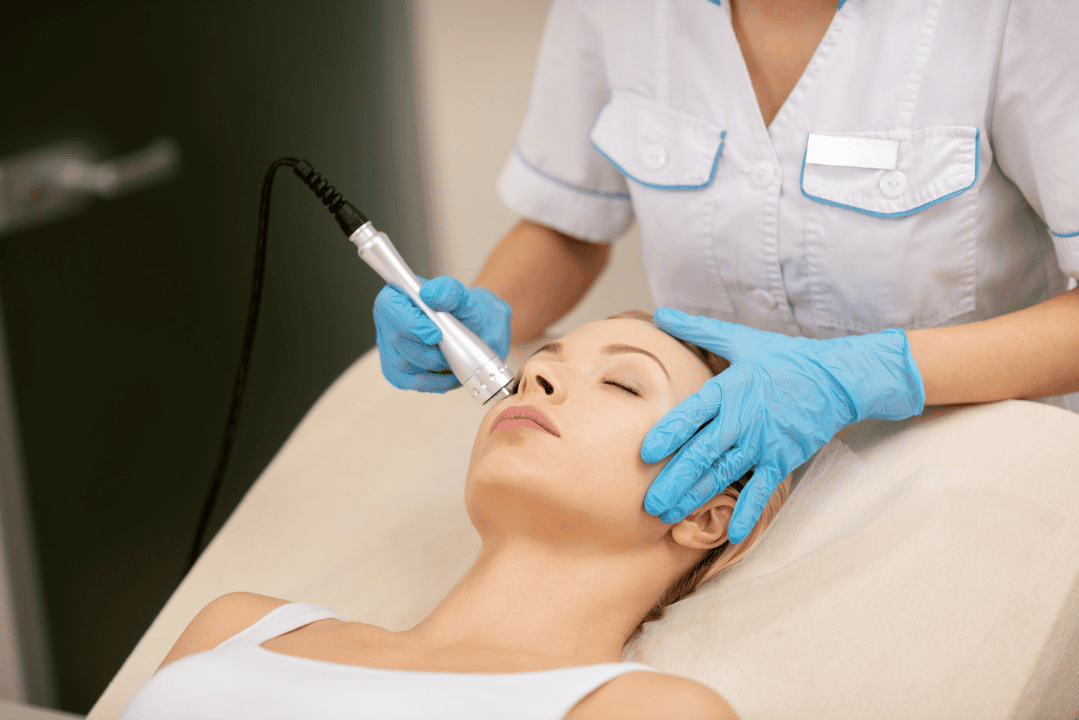
Sofwave is a non-invasive ultrasound skin tightening treatment for patients seeking gradual firmness, subtle lifting, and collagen support without surgery. It is most suitable for mild to moderate skin laxity, early jowling, brow heaviness, jawline softness, and neck laxity. Suitability depends on skin quality, facial anatomy, medical history, treatment area, and realistic expectations.
In London, many patients consider Sofwave when they want a non-surgical option that supports natural-looking improvement without aggressive downtime. Treatment should be planned carefully, as Sofwave is designed for gradual collagen remodelling rather than instant or surgical-level lifting.
What Is Sofwave Skin Tightening?
A Non-Invasive Ultrasound Treatment
Sofwave skin tightening uses ultrasound energy to support collagen remodelling and firmer-looking skin. It does not involve incisions, injections, resurfacing, or RF microneedling, making it a non-invasive option for suitable patients.
The treatment is designed for gradual improvement rather than instant surgical lifting. It should be considered as a non-surgical skin tightening option, not as a replacement for facelift surgery.
Sofwave SUPERB™ Technology
Sofwave uses Synchronous Ultrasound Parallel Beam technology, also known as SUPERB™. This technology delivers parallel ultrasound energy into the dermis to create controlled thermal stimulation.
The controlled heat response supports collagen remodelling, firmness, and gradual tightening. Integrated cooling helps protect the skin surface during treatment, allowing energy delivery to be more controlled.
Clinical Evidence And FDA Clearance
Sofwave has FDA clearance in the United States for selected aesthetic indications, including improvement in facial lines and wrinkles, eyebrow lifting, and lifting lax submental and neck tissue. This supports Sofwave’s role as a recognised non-invasive ultrasound technology, but it does not mean every patient will achieve the same result.
Clinical data submitted for early clearance included a 59-subject study, with reported improvement in wrinkle appearance in a majority of treated subjects. For patients, this means Sofwave should be understood as an evidence-supported skin tightening treatment, not a guaranteed lifting procedure.
How Sofwave Works On The Skin
Sofwave delivers focused ultrasound energy into the dermal layer, where collagen support is clinically relevant. The treatment stimulates a controlled heat response without resurfacing the skin or creating external skin injury.
Over time, this thermal response supports collagen remodelling, with results developing gradually over weeks to months. Treatment planning depends on skin laxity, facial anatomy, treatment area, comfort level, and suitability.
Benefits Of Sofwave Skin Tightening
Sofwave can improve the appearance of mild to moderate skin laxity in suitable patients and support firmer-looking skin without surgical recovery. It may help refine early jowling, jawline softness, brow heaviness, submental laxity, and neck laxity.
Results are usually gradual and natural-looking rather than dramatic or immediate. Sofwave is generally associated with minimal downtime, although temporary redness, tenderness, swelling, warmth, or sensitivity can still occur.
Sofwave may be particularly useful for patients who want a conservative approach to skin tightening. It can support facial firmness and definition without adding volume, changing facial expression, or requiring surgical recovery.
Sofwave Treatment Areas
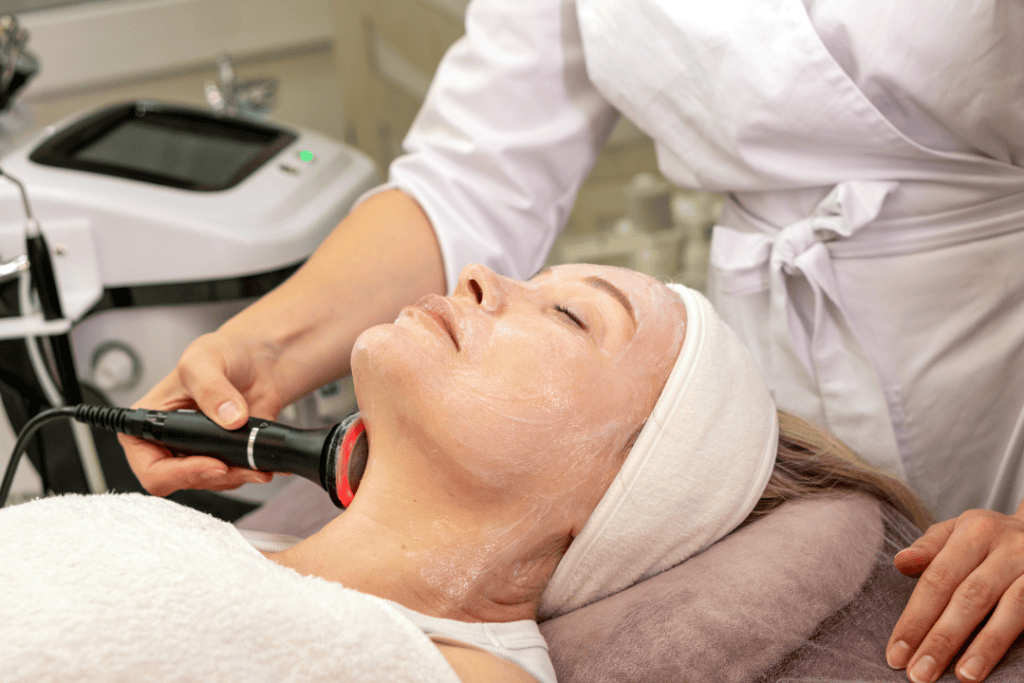
Sofwave can be considered for the face, brow area, lower face, jawline, submental area, and neck. These are common areas where patients may notice early laxity, heaviness, or loss of firmness.
Selected body areas may also be treated when clinically appropriate. Treatment areas should be selected based on laxity, anatomy, skin quality, and realistic goals, which is why consultation is important before treatment.
Sofwave Cost In London
Sofwave cost in London varies by treatment area, clinic location, practitioner experience, and treatment plan. The table below reflects the published pricing at Dr Michael O’Gorman’s UK clinic, rather than the average market price across London.
| Sofwave Treatment | Published Price | Treatment Detail |
| Sofwave Eyes | £2,000 | Targets the eye and brow area where suitable, often considered for early laxity or brow heaviness. |
| Sofwave Full Face | £3,000 | Covers facial skin tightening concerns such as lower face laxity, jawline softness, and early jowling. |
| Sofwave Full Face And Neck | £4,000 | Extends treatment planning to both facial and neck laxity when clinically appropriate. |
| Sofwave Body Areas | £4,000 | Used for selected body areas where skin laxity is suitable for ultrasound treatment. |
Published pricing should be understood as clinic-specific. Consultation confirms the most suitable treatment area, final quote, and expected plan.
What To Expect During Sofwave Treatment In London
Before Treatment
Sofwave treatment begins with a consultation to assess skin laxity, anatomy, medical history, previous treatments, and expectations. This helps determine whether Sofwave is suitable or whether another treatment may be more appropriate.
Patients should understand that Sofwave supports gradual tightening rather than facelift-level lifting. Clear expectations are important before any non-surgical skin tightening treatment.
During Treatment
During treatment, the Sofwave device is applied to the planned area. Patients may feel warmth, pulsing, tingling, or discomfort during ultrasound delivery, depending on sensitivity and treatment area.
Comfort measures may be used depending on clinic protocol and individual tolerance. Treatment time depends on the area being treated and the agreed treatment plan.
After Treatment
Many patients return to normal daily activities soon after Sofwave treatment, but temporary redness, tenderness, swelling, warmth, or sensitivity can occur. Aftercare should follow practitioner guidance and the patient’s skin response.
Patients should avoid judging results immediately, as collagen remodelling develops gradually. Follow-up guidance can help assess response and decide whether further treatment planning is appropriate.
For patients looking to support skin recovery and long-term skin quality, LED light therapy may also be incorporated into a personalised treatment plan when clinically appropriate.
When Will You See Sofwave Results?
Some patients may notice early firmness within the first few weeks, but the main Sofwave results usually develop gradually. A clearer change is often assessed around 8–12 weeks as collagen remodelling progresses.
Full effects can take around 3–6 months to mature, depending on skin laxity, treatment area, age, and individual response. Some patients may consider maintenance treatment after 12–18 months, depending on ageing pattern, skin quality, and clinical review.
Sofwave should be assessed with realistic expectations rather than as an immediate transformation. It can support gradual tightening and firmness, but it should not be positioned as surgical-level lifting.
Who Is Suitable For Sofwave?
Sofwave may suit patients with mild to moderate skin laxity who want non-surgical skin tightening. It may be suitable for early jowling, brow heaviness, jawline softness, neck laxity, or under-chin laxity.
The treatment is best for patients seeking gradual, natural-looking improvement rather than dramatic change. It may not be suitable for significant excess skin, advanced laxity, or expectations of surgical-level lifting.
Suitability should be assessed by an experienced aesthetic doctor. Medical history, anatomy, skin quality, previous procedures, and expectations all influence treatment planning.
Who May Not Be Suitable For Sofwave?
Sofwave may not be suitable for patients who are pregnant or breastfeeding, have active infection in the treatment area, active inflammatory skin disease, significant scarring, certain implanted electronic devices, or metal implants in the treatment area. Recent procedures in the same area may also affect timing and suitability.
Patients with complex medical histories, unrealistic expectations, or significant excess skin should be assessed carefully before treatment is recommended. In some cases, another treatment or surgical assessment may be more appropriate.
A consultation helps identify whether Sofwave is clinically suitable and whether the expected outcome is realistic. Treatment should be recommended based on anatomy, laxity severity, skin quality, and risk profile rather than interest in the device alone.
Sofwave Vs Other Skin Tightening Treatments
Sofwave is often compared with Ultherapy, HIFU, RF skin tightening, RF microneedling, dermal filler, and facelift surgery. The main difference is not simply which treatment is “better”, but which tissue layer, mechanism, and level of intervention is most appropriate for the patient.
| Treatment | Treatment Type | Main Difference |
| Sofwave | Non-invasive ultrasound | Uses parallel ultrasound energy focused in the dermis, commonly discussed around the 1.5mm depth, to support collagen remodelling and gradual tightening. |
| Ultherapy / HIFU | Ultrasound-based tightening | Can target deeper tissue layers depending on device and protocol, often including 3mm and 4.5mm depths. This may affect comfort profile, treatment sensation, and suitability. |
| RF Skin Tightening | Radiofrequency heat | Uses radiofrequency energy to heat tissue and support firmness and collagen remodelling without ultrasound. |
| RF Microneedling | Needling + radiofrequency | Combines controlled needle channels with radiofrequency energy, making it more invasive than Sofwave and more dependent on downtime and aftercare. |
| Dermal Filler | Injectable volume support | Restores or supports volume rather than tightening lax skin directly. |
| Facelift | Surgical lifting | Addresses more advanced laxity and excess skin through surgery rather than collagen stimulation alone. |
Sofwave may be more suitable for patients seeking dermal collagen stimulation with minimal downtime. Ultherapy, HIFU, RF, dermal filler, or surgery may be more appropriate depending on laxity, anatomy, tissue depth, volume loss, downtime tolerance, and expectations.
Is Sofwave Safe?
Sofwave is generally well tolerated in suitable patients, but no energy-based aesthetic treatment should be described as completely risk-free. Temporary redness, tenderness, swelling, warmth, sensitivity, tingling, or discomfort may occur after treatment.
Suitability depends on medical history, skin condition, treatment area, implanted devices, recent procedures, and expectations. Patients with active infection, active inflammatory skin disease, certain implanted devices, or recent procedures in the treatment area should be assessed carefully before treatment is considered.
Consultation-led screening helps reduce inappropriate treatment choices. Treatment should only proceed when the patient is clinically suitable, understands the expected recovery profile, and has realistic expectations about the likely outcome range.
Why Choose A Medical-Led Sofwave Clinic In London?
A medical-led Sofwave clinic in London assesses skin laxity, anatomy, medical history, and suitability before treatment. This is important because non-surgical skin tightening should be guided by anatomy and clinical judgement, not trends.
Dr Michael O’Gorman’s approach focuses on safety, informed consent, realistic expectations, and long-term skin health. Treatment planning is based on skin biology, facial structure, patient goals, and the most appropriate level of intervention.
The Marylebone clinic provides a private setting for patients considering non-surgical skin tightening in London. The aim is to support natural-looking improvement while avoiding overly aggressive or unsuitable treatment choices.
Sofwave can support firmer-looking skin as part of a wider approach to skin rejuvenation. For patients exploring additional options, our guide to the best treatments for glowing skin provides an overview of other treatments that may help improve overall skin quality.
London Clinic Details
Booking: Consultations and quotes are available upon request. Visit the clinic website or call +447588385133 to schedule your polynucleotide appointment in London.
Address: 19 Wimpole Street, Marylebone, London W1G 8GE
Opening hours: Monday to Friday, 9 AM to 6 PM
Frequently Asked Questions About Sofwave In London
How long does Sofwave take to work?
Sofwave results usually develop gradually over several weeks to months. A clearer change is often assessed around 8–12 weeks, with fuller effects developing over 3–6 months depending on individual response.
How long do Sofwave results last?
Results vary between patients. Some patients may consider maintenance treatment after 12–18 months, depending on skin quality, ageing pattern, lifestyle, and clinical review.
Is Sofwave better than Ultherapy or HIFU?
Sofwave, Ultherapy, and HIFU are ultrasound-based treatments, but they differ in energy delivery, target depth, comfort profile, protocol, and suitability. Sofwave is commonly discussed around dermal treatment depth, while Ultherapy or HIFU may target deeper tissue layers depending on the device and plan.
Can Sofwave replace a facelift?
Sofwave should not be positioned as a replacement for facelift surgery. Patients with significant laxity or excess skin may need surgical assessment.
Is there downtime after Sofwave?
Downtime is usually minimal for suitable patients. Temporary redness, swelling, tenderness, warmth, tingling, or sensitivity may still occur.
Who should avoid Sofwave?
Sofwave may not be suitable for patients who are pregnant or breastfeeding, have active infection, active inflammatory skin disease, certain implanted devices, metal implants in the treatment area, or recent procedures that may affect tissue response. Suitability should be assessed during consultation.