


Considering dermal fillers in London but unsure about the cost, safety, or where to go? You’re not alone. With dozens of clinics offering varying options across Central London, it’s easy to feel overwhelmed. Whether you’re seeking fuller lips, a defined jawline, or a refreshed look, understanding what you’re paying for and who’s injecting is critical to achieving safe, natural-looking results.
Many patients share similar concerns: confusion around pricing, fear of an “overdone” appearance, uncertainty about injector qualifications, anxiety about downtime, and a lack of clarity on how long results last. This guide addresses those issues clearly and calmly, helping you make informed, confident decisions.
What Are Dermal Fillers And How Do They Work?
Dermal fillers are injectable treatments, most commonly made from hyaluronic acid, a substance naturally found in the skin. They work by restoring lost volume, softening lines, and subtly enhancing facial contours. Once a dermal filler decision has been made following proper consultation, the injected filler attracts water, helping to improve skin hydration and support structure in targeted areas.
In London, dermal fillers are widely used for both anti-ageing and aesthetic enhancement, offering immediate results with minimal disruption to daily life when performed by experienced medical practitioners.
Why Choose Dermal Fillers In London?
London is internationally recognised for advanced aesthetic medicine. Patients benefit from medically led clinics, strict regulatory standards, and access to elite practitioners, particularly in areas such as Harley Street where safety, ethics, and natural results are prioritised.
How Much Do Dermal Fillers Cost In London?
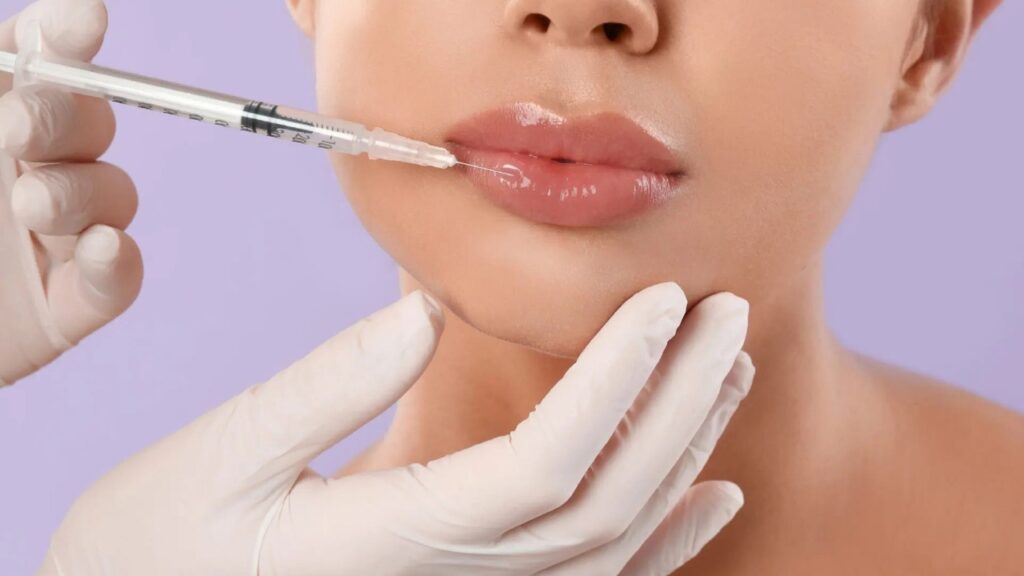
In London, pricing typically reflects expertise and product quality. A standard treatment area using 1ml of filler averages £550, while advanced areas, such as under-eyes, nose, frown, temples, or chin, are around £650 per 1ml. Costs vary based on practitioner experience, clinic location, number of syringes used, and premium brands like Juvederm or Teoxane.
What Is the Best Age To Start Dermal Fillers?
There is no single “ideal” age to start dermal fillers, and treatment is not provided to anyone under 18. Most patients consider dermal fillers when volume loss becomes clinically noticeable, such as under-eye hollows, reduced lip volume, or hollowing at the temples. This commonly occurs from the late 20s onwards, but varies between individuals.
Dermal fillers may also be used at any appropriate adult age to address specific concerns unrelated to ageing, including acne scarring, facial asymmetry, nasal irregularities, or post-traumatic changes. Treatment is always guided by individual anatomy, medical suitability, and the aim of preserving natural facial balance.
Which Is Cheaper, Fillers Or Botox?
Botox is generally less expensive compared to dermal fillers, typically ranging from £225–£450 for most patients with Dr Michael O’Gorman. Dermal fillers usually range from £550–£1,200, depending on the number of syringes required and the complexity of the treatment.
Considering Dr O’Gorman’s 20 years of injectable experience, pricing reflects advanced anatomical expertise, premium products, and a conservative approach focused on safe, precise volume restoration rather than simple muscle relaxation.
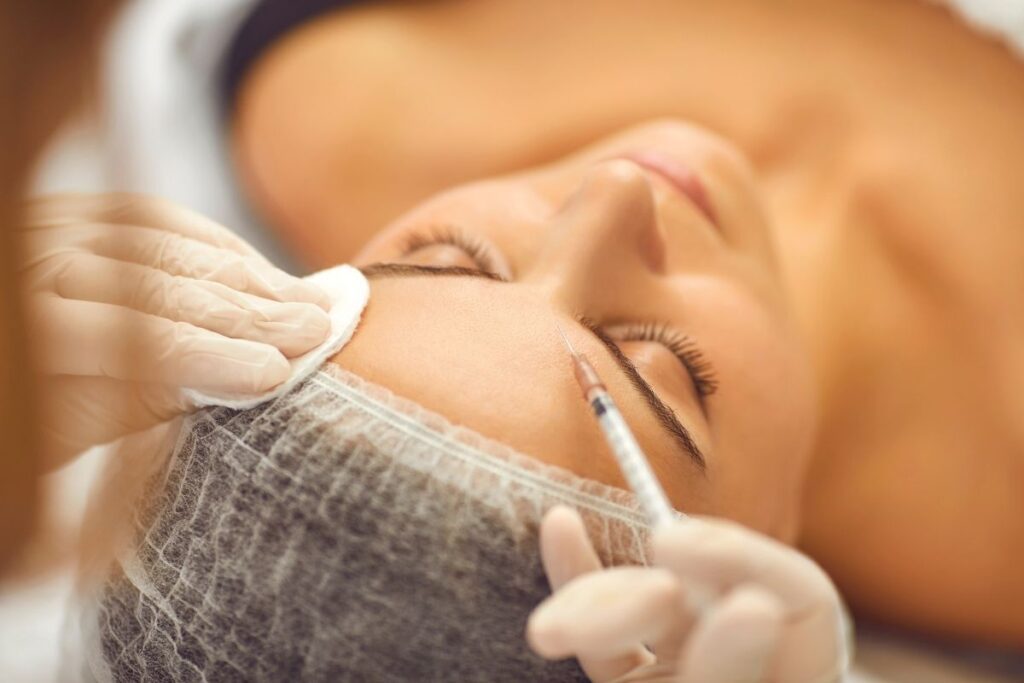
Explore more about what therapeutic tox injections are?
Who Should Avoid Dermal Fillers?
Dermal fillers may not be suitable for those who are pregnant or breastfeeding, have known allergies to filler ingredients, active infections, or certain autoimmune conditions. A full medical history is essential during consultation to ensure treatment safety.
Can Dermal Fillers Look Natural?
Yes. The belief that fillers always look fake is outdated. Natural results come from conservative volumes, precise placement, and clinical experience. Dr O’Gorman’s philosophy is firmly “less is more,” using expert anatomical knowledge to achieve more with less product.
Can People Tell If You Have Fillers?
Well-executed filler treatments are rarely detectable. When fillers are noticed, it is usually due to excessive volume or poor symmetry, often linked to inexperienced injectors. In expert hands, results are subtle and simply look like a refreshed version of you.
What Are The Benefits Of Dermal Fillers?
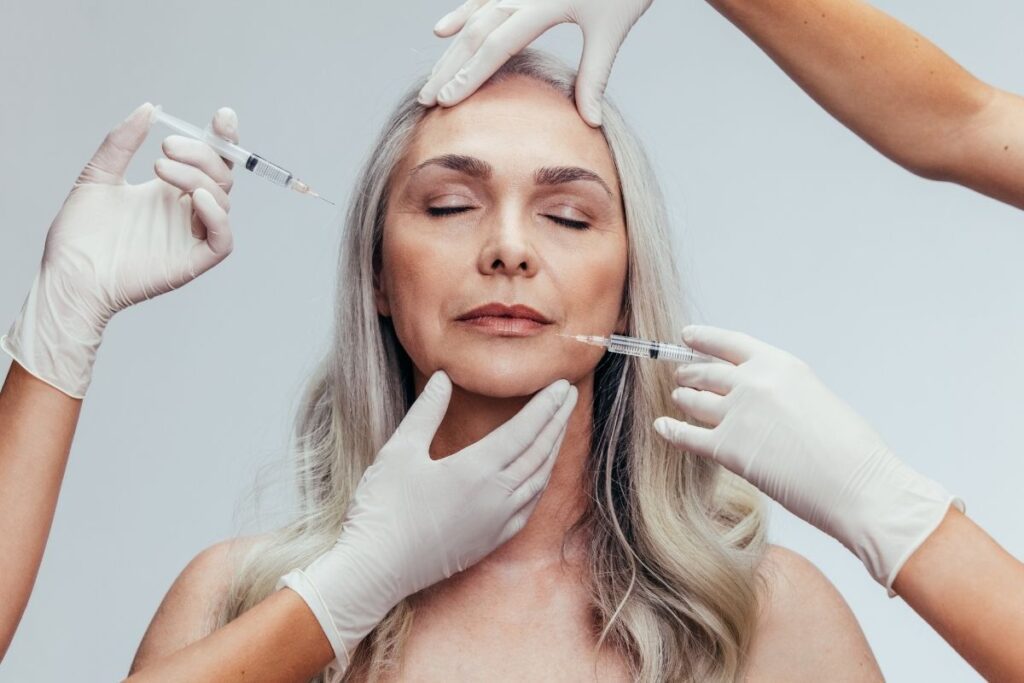
Dermal fillers offer a wide range of benefits. They restore facial volume lost through ageing and can correct scarring, asymmetry, or post-trauma changes. Skin appears smoother, fine lines soften, and features such as lips, chin, and jawline can be enhanced. Treatments are non-surgical, involve minimal downtime, and results are immediate while remaining long-lasting when performed correctly.
How To Choose A Dermal Filler Clinic In London
When choosing a dermal filler clinic, it is important to verify that the practitioner is appropriately registered with the GMC or NMC and has substantial experience in injectable treatments. Patients should ask which filler brands are used and whether full batch traceability is available, as this confirms pharmaceutical-grade sourcing and accountability. Reviewing verified patient feedback can also provide insight into clinical standards and consistency of care.
Caution is advised with clinics offering unusually low-priced filler treatments. Premium dermal filler products are manufactured under strict sterile conditions and are available in a range of molecular sizes, chain lengths, and degrees of cross-linking. This allows the practitioner to select the most appropriate product for each clinical concern.
Cheaper fillers may fall outside regulated pharmaceutical supply chains, including counterfeit products, and often lack these essential properties. As a result, outcomes cannot be optimised and the risk of infection, inflammation, or rejection may be increased.
What Areas Can Be Treated With Dermal Fillers?
Dermal fillers can be used to treat multiple areas, including:
- Lips (volume and definition)
- Cheeks (lift and contour)
- Chin (projection and balance)
- Jawline (structure and definition)
- Under-eyes (hollows and fatigue)
- Temples (volume restoration)
- Nasolabial folds and marionette lines
- Hands (rejuvenation)
Some areas require greater technical expertise and a deeper understanding of facial anatomy. You can learn more about advanced dermal filler treatments and when they may be appropriate.
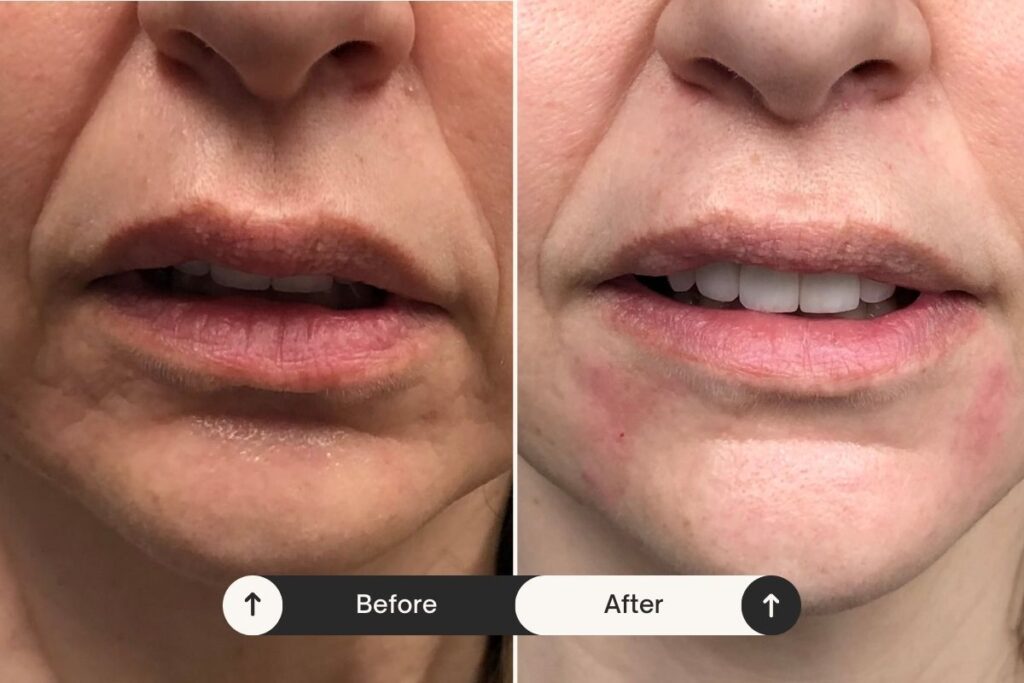
Identify treatments should only be performed in a medical Setting
How Long Do Dermal Fillers Last?
Visible effects typically last 6-18 months. MRI studies show filler can remain in the face for years, reinforcing the importance of caution. Using less product, less often, remains the safest long-term approach.
What To Expect: Treatment Process, Downtime, And Aftercare
Treatment begins with a detailed consultation, followed by careful injection using refined techniques. Most appointments take under an hour. Mild swelling or bruising can occur but usually settles within days. Aftercare includes avoiding pressure, heat, and strenuous exercise briefly, with clear guidance provided to support smooth recovery.
Are Dermal Fillers Safe? What Are The Risks?
When administered by medical professionals, dermal fillers are considered safe. Risks include bruising, swelling, lumps, allergic reactions, and rare vascular complications. Proper technique, anatomical expertise, and adherence to aftercare significantly reduce these risks.
Dermal Fillers Vs. Botox: What’s The Difference?
Botox works by temporarily relaxing targeted facial muscles, reducing the appearance of dynamic wrinkles such as frown lines and forehead lines that form through repeated movement. Dermal fillers, by contrast, are used to restore lost volume, improve facial structure, and support areas affected by ageing, scarring, or anatomical imbalance.
Botox results typically last 3-4 months, while dermal fillers can last 6-18 months, depending on the product used and the treatment area. Although fillers are generally more expensive, they address different concerns. When appropriately combined, Botox and dermal fillers can work synergistically to achieve a balanced, natural-looking, full-face rejuvenation.
Book Your Dermal Filler Treatment in London
Choosing the right clinic for dermal fillers in London requires a strong focus on medical expertise, patient safety, and appropriate treatment planning. Dr Michael O’Gorman, an experienced aesthetic doctor and private GP based in Marylebone, is known for his conservative, medically led approach to injectable treatments.
In his practice, dermal fillers are used to support skin quality, restore subtle volume where appropriate, and enhance facial balance. Every treatment is guided by a detailed medical consultation to assess suitability, manage risk, and prioritise long-term facial and skin health.
London Clinic Details
- Address: 19 Wimpole Street, Marylebone, London W1G 8GE
- Opening hours: Monday to Friday, 9 AM to 6 PM
- Booking: Consultations and quotes are available upon request. Visit the clinic website or call +447588385133 to schedule your polynucleotide appointment in London.