


In London’s skincare scene, many patients seek skin treatments that improve hyperpigmentation, skin texture, and overall skin clarity without dramatic or artificial change
Mesoestetic chemical peels are widely used dermatological treatments for managing stubborn hyperpigmentation and early signs of skin ageing. Before choosing a professional chemical peel, it is important to understand how this aesthetic peel works, what outcomes are realistic, and how medical oversight, aftercare, and consultation influence results.
This guide from Dr Michael O’Gorman will explain Mesoestetic chemical peels in London clearly and conservatively.
What is Mesoestetic Chemical Peel?
Mesoestetic chemical peels are professional, clinic-grade peels and medical chemical peels designed to improve hyperpigmentation, facial rejuvenation, and skin texture. These chemical exfoliation treatments apply carefully formulated acids to stimulate controlled exfoliation and cell renewal beneath the skin’s surface.
By supporting melanin regulation, these Mesoestetic® brand peels help fade dark spots and rebalance tone gradually. Peel selection is guided by skin type eligibility, concerns, and tolerance following medical consultation.
What are the Benefits of Mesoestetic Peel?
Mesoestetic chemical peels offer progressive skin outcomes when used as part of a structured esthetic therapy plan.
- Reduces hyperpigmentation: Helps improve melasma, sun spots, and post-inflammatory hyperpigmentation by regulating excess melanin.
- Brightens skin: Enhances skin clarity by removing dull surface cells and improving radiance.
- Boosts collagen: Supports collagen production through controlled skin renewal.
- Smooths texture: Improves uneven or rough skin through consistent chemical exfoliation.
- Minimises fine lines: Softens superficial lines without altering facial anatomy.
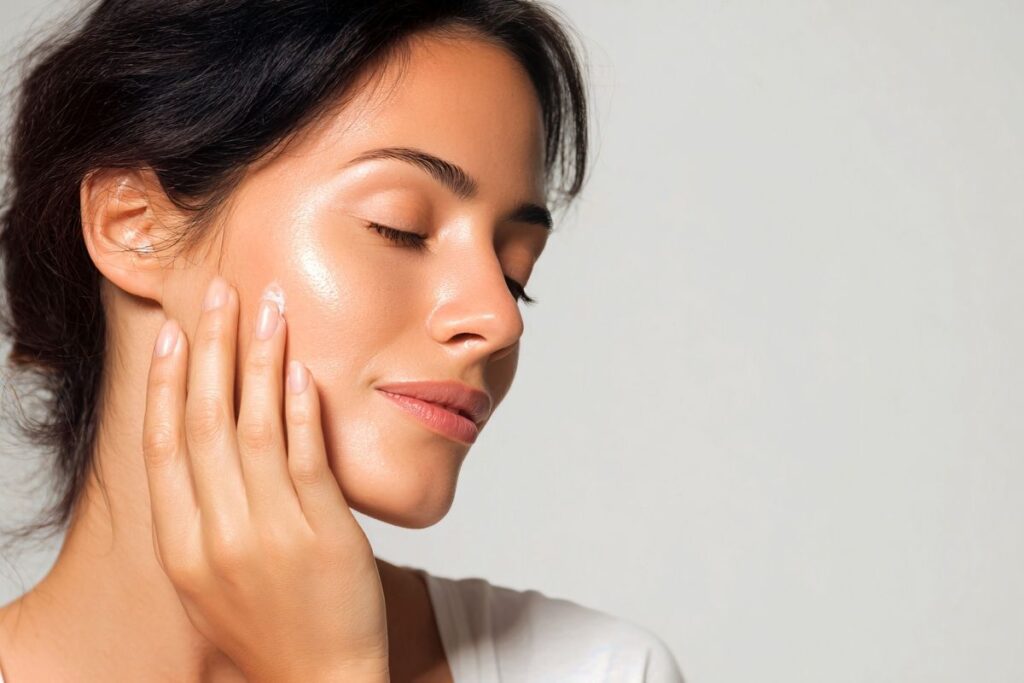
When Should You Consider Getting a Chemical Peel?
A chemical peel treatment may be suitable for individuals with hyperpigmentation issues, sun damage, acne scars, uneven texture, excess oil, or early signs of ageing. As a standalone skin exfoliation treatment, a course of four to six treatments is typically recommended at monthly intervals.
In clinical practice, peels are often combined with skin boosters and LED light therapy. They are also a suitable option for darker skin tones who may not be candidates for laser treatments.
How Much Does a Chemical Peel Cost in London?
The cost of chemical peels in London clinics varies by peel depth and expertise. Superficial chemical peels typically range from £80 to £150, while medium-depth peels and hyperpigmentation-targeted peels range from £150 to £300.
Pricing in London reflects consultation time, treatment area, aftercare packages, and clinic reputation. A personalised consultation ensures accurate treatment fees.

Is a Chemical Peel Worth the Money?
A professional chemical peel can offer strong value when part of a medically guided plan. Compared with topical skincare alone, clinic-grade peels often deliver more visible improvements in skin tone, texture, and clarity.
Cost is justified when treatments are delivered in trusted London clinics, supported by structured aftercare, and guided by medical expertise rather than volume.
How Many Days After Mesoestetic Chemical Peels Show Results?
So, if you are wondering, “How long does it take for Mesoestetic to work?”, most patients notice visible improvements within 2 to 4 weeks after a Mesoestetic chemical peel.
Early changes include improved skin brightness and smoother texture, while pigmentation reduction develops more gradually. Results continue to evolve as the skin completes its natural renewal cycle. Timelines vary depending on peel type, skin condition, and whether treatments are delivered as part of a course.

What Is the Best Age to Get a Chemical Peel?
Chemical peels can be used from the late twenties for maintenance. Many individuals in their thirties to fifties choose chemical exfoliation treatments for corrective benefits such as hyperpigmentation and fine lines. Peel depth and frequency should be adjusted based on age, skin resilience, and healing capacity following medical assessment.
What Should I Do After Mesoestetic Chemical Peel?
Post-peel care supports healing and reduces potential complications.
- Cleanse gently: Protects the skin barrier during recovery.
- Moisturise regularly: Reduces dryness and tightness.
- Apply broad-spectrum SPF: Essential due to increased sun sensitivity.
- Avoid direct sun exposure: Prevents inflammation and pigmentation rebound.
- Skip harsh products: Avoids irritation from active ingredients.
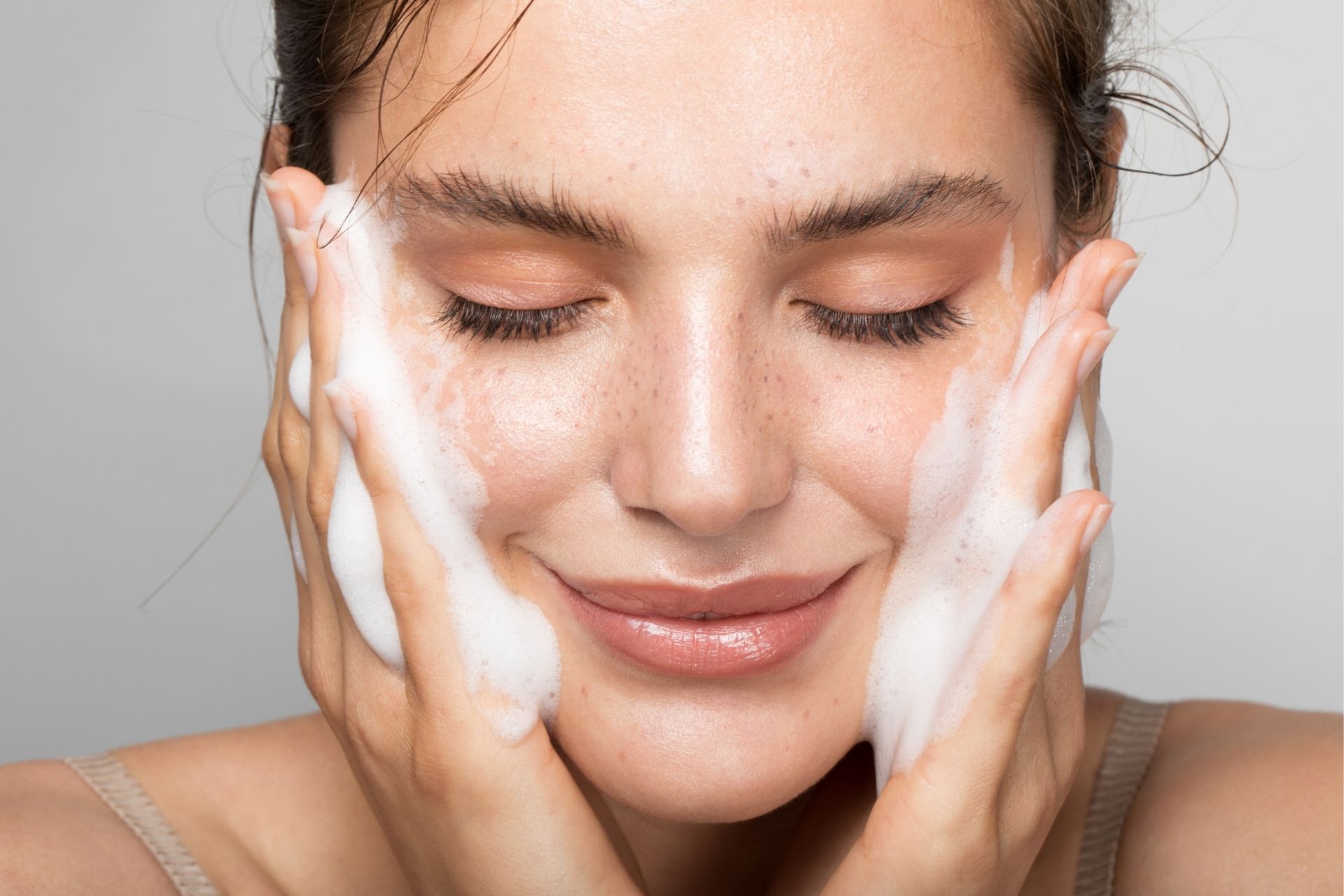
What are the Side Effects of Mesoestetic Chemical Peel?
Side effects are usually mild with medical chemical peels.
- Redness and sensitivity: Common for several days.
- Peeling and flaking: Part of normal renewal.
- Dryness and tightness: Improves with aftercare.
- Itching or mild discomfort: Short-lived and manageable.
- Sun sensitivity: Requires strict SPF use.
Seek professional advice if safety considerations arise.
Mesoestetic Peel Treatment Aftercare Tips for Best Results
Downtime varies depending on the Mesoestetic chemical peel used. Some treatments allow minimal downtime, while others cause mild flaking. Risk is reduced when patients already use active skincare such as vitamin A, vitamin C, kojic acid, and niacinamide.
Sun protection is essential for two weeks before and after treatment. All peels are combined with a peel booster, calming post-peel mask, and 20-minute red and near-infrared LED light therapy. A personalised home skincare plan supports long-term results.
Should I Get a Chemical Peel or Microneedling?
Chemical peels address surface tone, hyperpigmentation, and brightness. Microneedling, with or without PRP, focuses on collagen stimulation and texture. Many London clinics combine both approaches depending on user intent, downtime tolerance, and skin concerns discussed during consultation.
Get to know about collagen stimulating treatments.
What to Expect: Procedure & Recovery
In a London clinic, treatment begins with skin assessment and preparation. The chemical peel is applied, producing mild tingling before neutralisation. LED light therapy follows to support healing. Recovery includes redness, peeling, and gradual improvement. Patients receive clear aftercare guidance and activity restrictions.
Choosing a London Clinic for Mesoestetic Peels
When selecting London dermatologist chemical peel services, prioritise medical oversight, experience with Mesoestetic® brand peels, and a thorough consultation process. A reputable clinic will assess skin type eligibility, explain risks, and provide clear aftercare guidance.
At Dr Michael O’Gorman’s clinic in Marylebone, treatment planning is guided by clinical assessment, conservative protocols, and long-term skin health, ensuring outcomes are based on suitability, safety, and realistic expectations.
London Clinic Details
- Address: 19 Wimpole Street, Marylebone, London W1G 8GE
- Opening hours: Monday to Friday, 9 AM to 6 PM
- Booking: Consultations and quotes are available upon request. Visit the clinic website or call +447588385133 to schedule your polynucleotide appointment in London.